Garmin makes some of the best sports watches on the market today, but choosing between its two biggest performance-focused lines isn’t always easy. The Fenix and Forerunner share many of the same features, especially as you move toward the higher end of Garmin’s lineup, but they’re designed with slightly different users in mind.
The main difference between Garmin Fenix vs Forerunner is fairly simple. The Forerunner is primarily built around running and endurance training, while the Fenix combines many of those same training features with a more rugged design and additional outdoor capabilities.
So, debating between the Fenix or Forerunner? Here’s how they compare.
Key Takeaways
- The Forerunner is Garmin’s running and triathlon specialist: lighter, running-focused. The better pick if most of your training is running, cycling, and triathlon.
- The Fenix is the rugged multisport all-rounder, adding a 10 atmospheres (ATM) water rating, dive features, and more case and display options for people who also hike, ski, dive, or head off-grid.
- At the high end, the Forerunner 970 and Fenix 8 share most core features, so the choice comes down to running-focus versus outdoor toughness.
- For triathlons, the Forerunner 970 is the top pick for most athletes; choose the Fenix 8 only if you also want a tougher build.
What’s the Difference Between Fenix and Forerunner?
The clearest way to think about it is by primary focus:
- Forerunner: Running and endurance training first.
- Fenix: Multisport, outdoor adventure, and training combined.
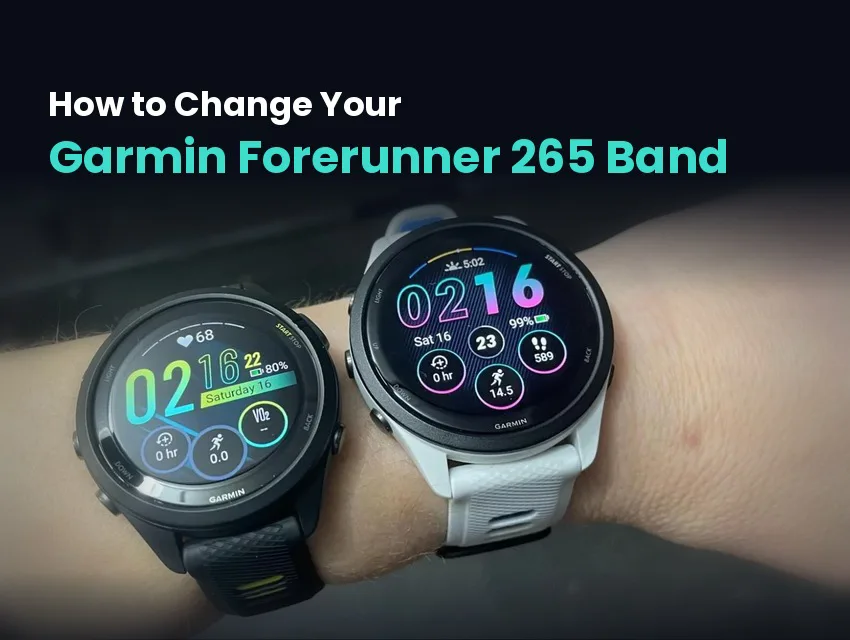
The Forerunner lineup is generally lighter and more running-focused. Depending on the model, you can get multi-band GPS, training readiness, recovery information, advanced running metrics, multisport tracking, and maps.
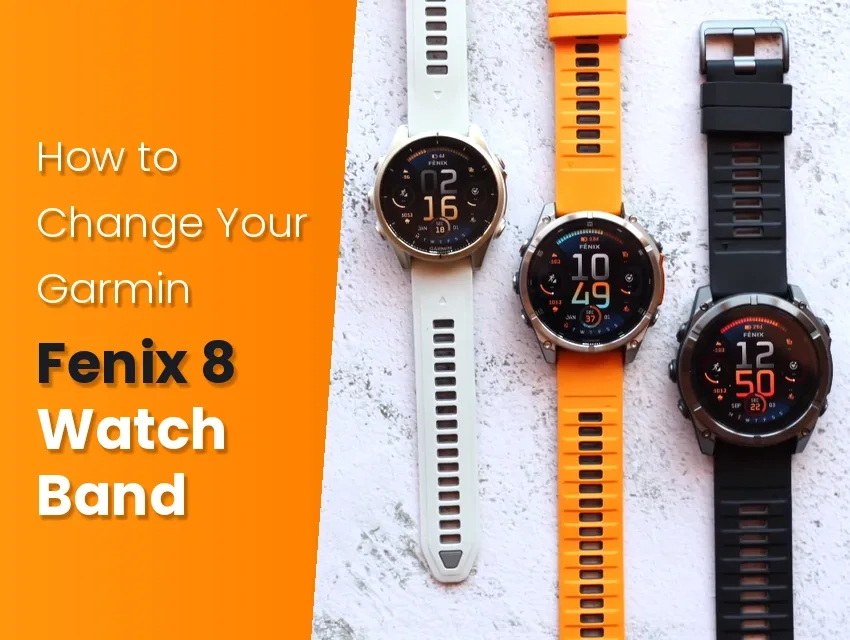
The Fenix lineup offers many of the same features but in a tougher, more substantial package. The current Fenix 8 family adds a 10 ATM water rating, dive capabilities, and a wider range of case and display configurations.
The Fenix and Forerunner also use different connector types. Fenix uses QuickFit connectors while many Forerunners use the standard quick-release spring bars. Both are durable and make it easy to swap out straps.
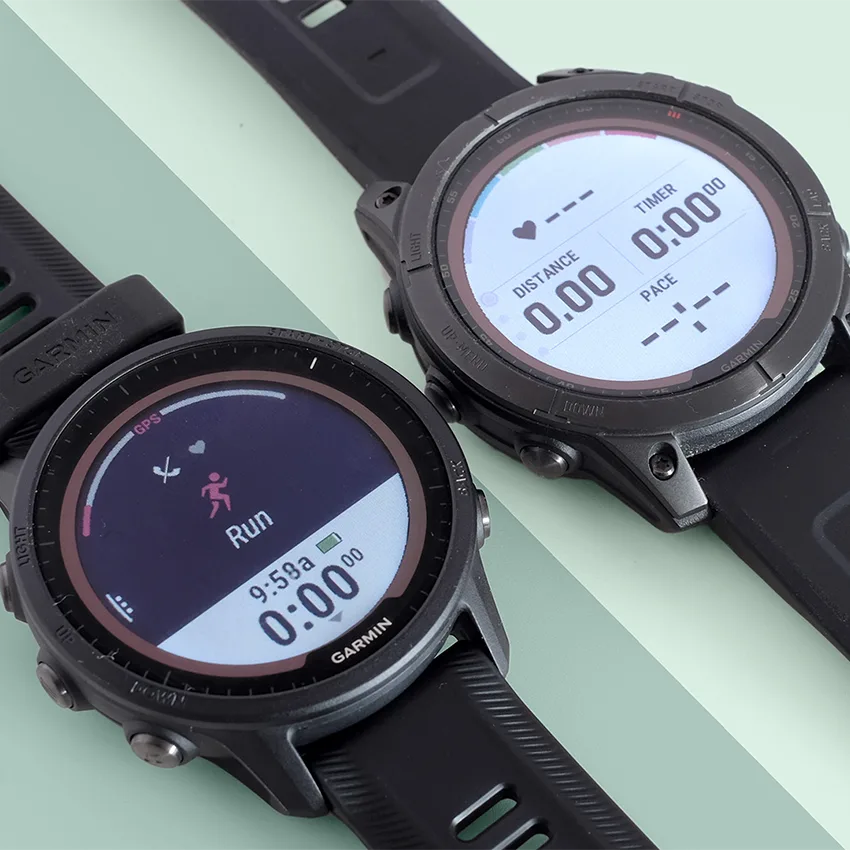
If you’re primarily looking for a Garmin watch for running, the Forerunner is usually the better place to start. If running is only one of many activities you want to track, the Fenix starts to make more sense.
The Current Garmin Lineup
The current Forerunner range is led by the Forerunner 970, Garmin’s premium running and triathlon watch. It has an AMOLED display, sapphire crystal, titanium bezel, maps, multi-band GPS, an LED flashlight, and Garmin’s advanced training and recovery tools.
The Forerunner 570 sits below it and offers many of Garmin’s advanced running features in 42mm and 47mm sizes. Garmin also offers the newer Forerunner 70 and 170 as more affordable running options.
You’ll still find the Forerunner 165, 265, and 965 for sale as well. They’re previous-generation models but can still be excellent buys at the right price.
On the other side is the Fenix 8 family, Garmin’s premium multisport range. Depending on the version, you can choose between AMOLED and solar displays, different case sizes, and different materials.
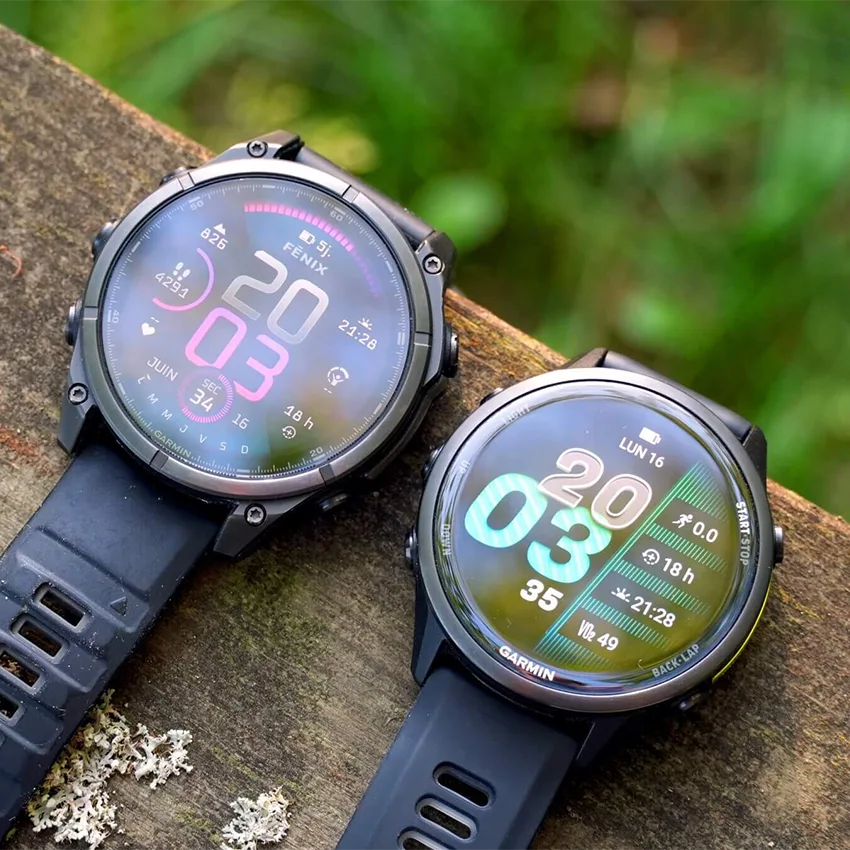
There’s also the Fenix 8 Pro, which adds Garmin’s inReach technology, with LTE and satellite connectivity on compatible plans, making it particularly interesting for people who spend time away from normal cellular coverage.
Garmin Fenix vs Forerunner for Running
The Forerunner is generally the best Garmin watch for running. It’s in the name after all. However, that isn’t because the Fenix is a poor running watch. Far from it.
The advantage is mostly about purpose and comfort. Forerunner watches are designed around runners and tend to be lighter on the wrist, which can make a difference during long runs, races, and overnight wear. If running, cycling, and triathlons make up most of your training, a Forerunner is probably the best choice for you.
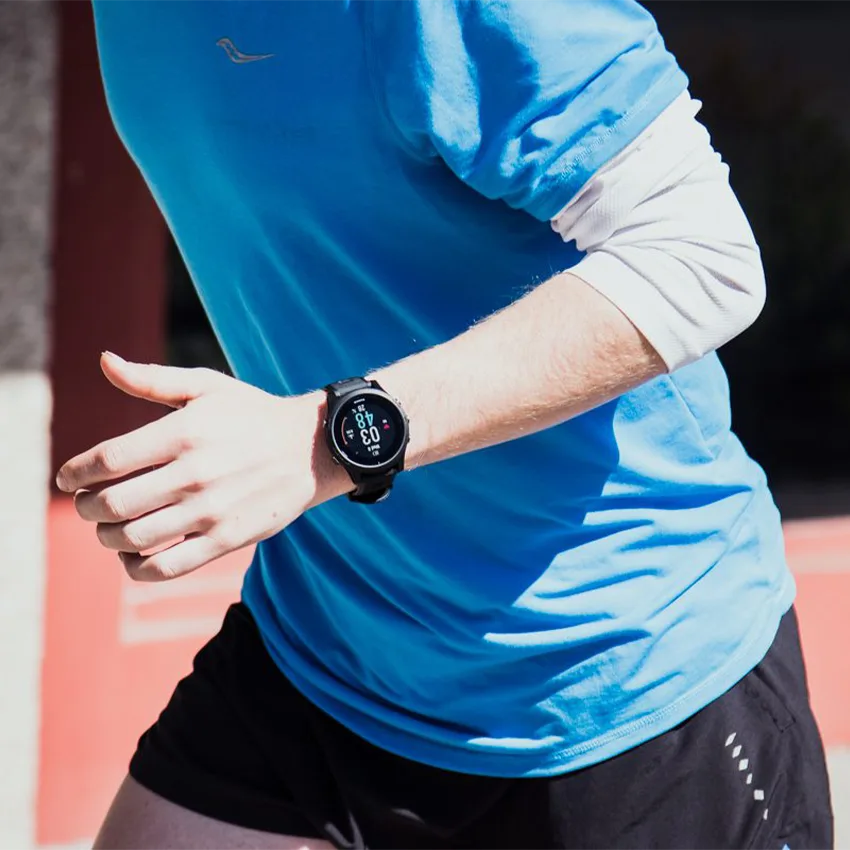
The Fenix makes more sense if running is only one part of a much broader mix of activities. But if you’re using it primarily as a running watch, you may be paying for more features than you need.
Forerunner 970 vs Fenix 8
Taking a closer look at Forerunner 970 vs Fenix 8 is probably the most useful comparison for anyone shopping at the higher end of Garmin’s current lineup.
There’s a lot of overlap. Both offer mapping, multi-band GPS, training readiness, training status, music, and a built-in LED flashlight. The difference, though, is what surrounds those features.
The Forerunner 970 uses a titanium bezel and sapphire crystal while remaining relatively lightweight and focused on running and triathlon. The Fenix 8, on the other hand, is the more rugged option, with 10 ATM water resistance, dive features, and a wider selection of sizes and configurations.
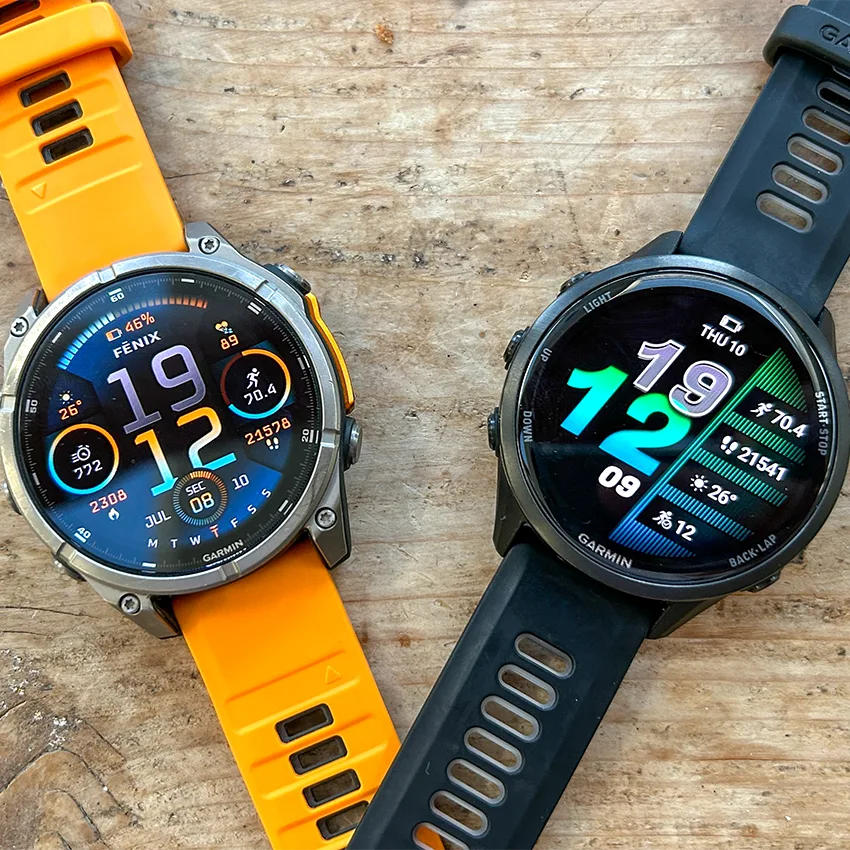
For a dedicated runner or triathlete comparing Garmin Forerunner 970 and Fenix 8, we’d recommend the 970. For someone who also hikes, skis, dives, or regularly heads outdoors, we’d lean toward the Fenix 8.
Which Garmin Is Best for Triathlon?
If you’re looking for the best Garmin for triathlon training, the Forerunner 970 is still our top pick for most athletes.
It’s specifically designed as a premium running and triathlon watch, and you still get the advanced training, multisport, and navigation features you’d expect from a high-end Garmin.
If you’re still debating between the Garmin Fenix 8 and Forerunner 970 for triathlon use, we’d only favor the Fenix if you also want its tougher construction and outdoor capabilities.
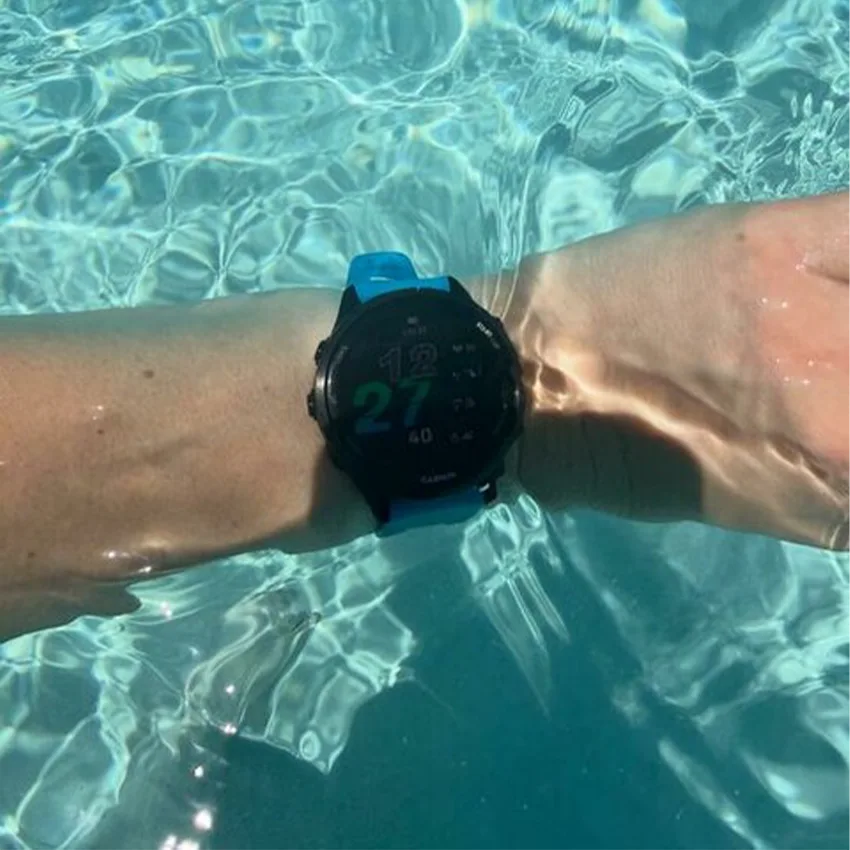
You don’t necessarily need Garmin’s most expensive models, either. Previous-generation watches such as the Forerunner 965 remain very capable triathlon watches and may offer better value when discounted.
Should I Buy a Garmin Fenix?
A Fenix is worth considering if you’re a true multisport athlete who wants one watch for almost everything.
If you run during the week but also hike, ski, swim, or spend a lot of time in the woods, the added durability and broader capabilities make sense. It’s also likely to appeal more to someone who prefers the look and feel of a substantial traditional sports watch.
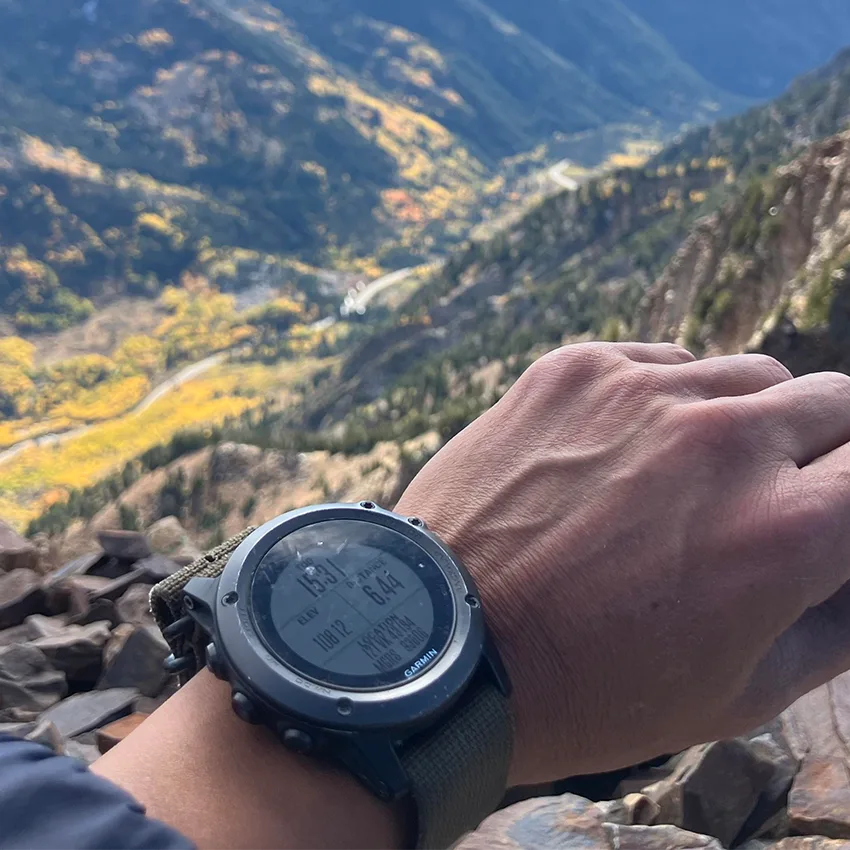
If you mostly run and cycle, a Forerunner will usually give you what you need in a lighter package.
Fenix or Forerunner: Which Should You Buy?
For most runners, we’d recommend the Forerunner series. The Forerunner 970 is the premium choice for serious runners and triathletes, while the 570 offers many of Garmin’s advanced training tools for those who don’t need everything the flagship offers. The Forerunner 70 and 170 are solid budget options for beginner and casual runners.
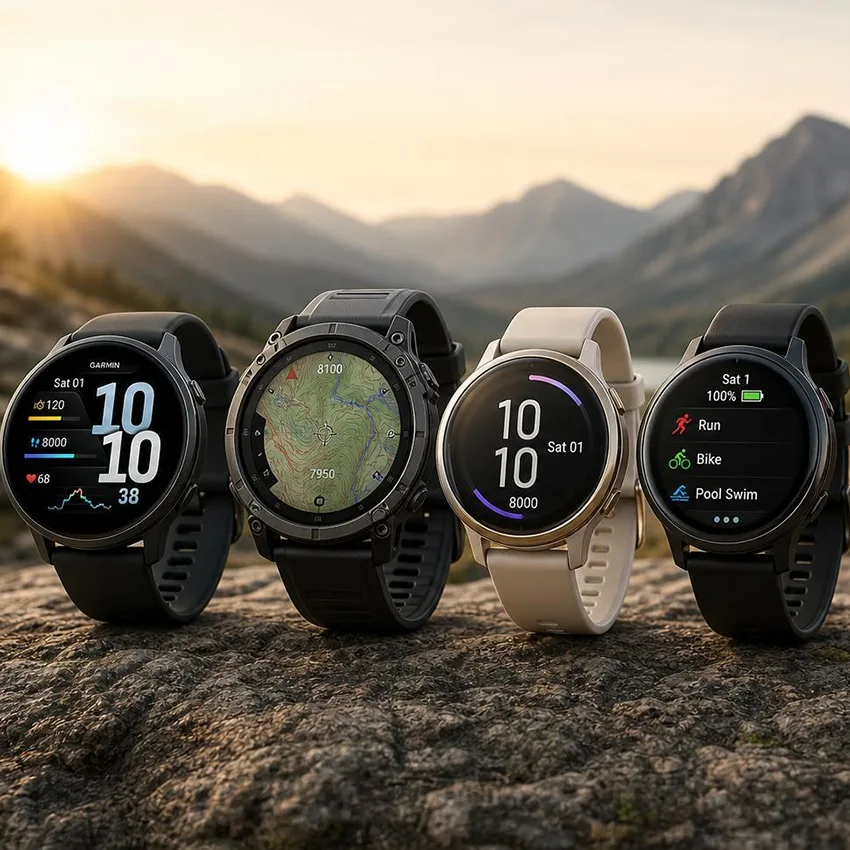
The Fenix 8 is only really worth the expensive price tag if you want a tougher, more versatile watch that can move easily between running, swimming or diving, and outdoor adventures. The Fenix 8 Pro goes a step further for users who can benefit from its LTE and satellite connectivity, though it starts at around $1,200.
Final Thoughts
Ultimately, the Garmin Forerunner vs Fenix decision comes down to what you actually do with your watch. If running and endurance training come first, go Forerunner. If you want a Garmin that’s just as comfortable heading into the backcountry as it is tracking a morning run, go Fenix.
And to be honest, whichever way you go, you’re getting a fantastic sports watch packed with useful features.
Let us know, do you prefer the Garmin Forerunner or Fenix series?