


If you’ve spent any time shopping for a quality watch, you’ve probably come across one of the biggest debates in horology: Swiss watches vs Japanese watches.
Maybe you’ve narrowed your search down to two nearly identical dive watches. One uses a Swiss Sellita movement, while the other is powered by a Japanese Miyota. Or perhaps you’re wondering whether paying extra for a “Swiss Made” watch is really worth it.
The good news is there’s really no wrong answer.
Swiss watchmaking has long been considered the gold standard, producing some of the world’s most desirable luxury timepiece. At the same time, Japan has completely transformed the industry with reliable, innovative, and affordable pieces that have earned the respect of collectors everywhere.
Today, both countries produce exceptional watches, and choosing between Swiss vs Japanese watches often comes down to your priorities and preferences rather than one being objectively better.
In this guide, we’ll compare Swiss movement vs Japanese movement watches, explain how they differ, and highlight some of the best brands from each country.
Swiss Movements vs Japanese Movements: The Quick Answer
If you don’t have time to read the entire article, here’s the TLDR.
Choose a Japanese movement watch if you want:
- Outstanding value for money
- Excellent reliability
- Lower servicing costs
- A watch you’ll wear every day without worrying about
Choose a Swiss movement watch if you want:
- Premium finishing
- Rich watchmaking heritage
- Luxury craftsmanship
- Greater prestige and collector appeal
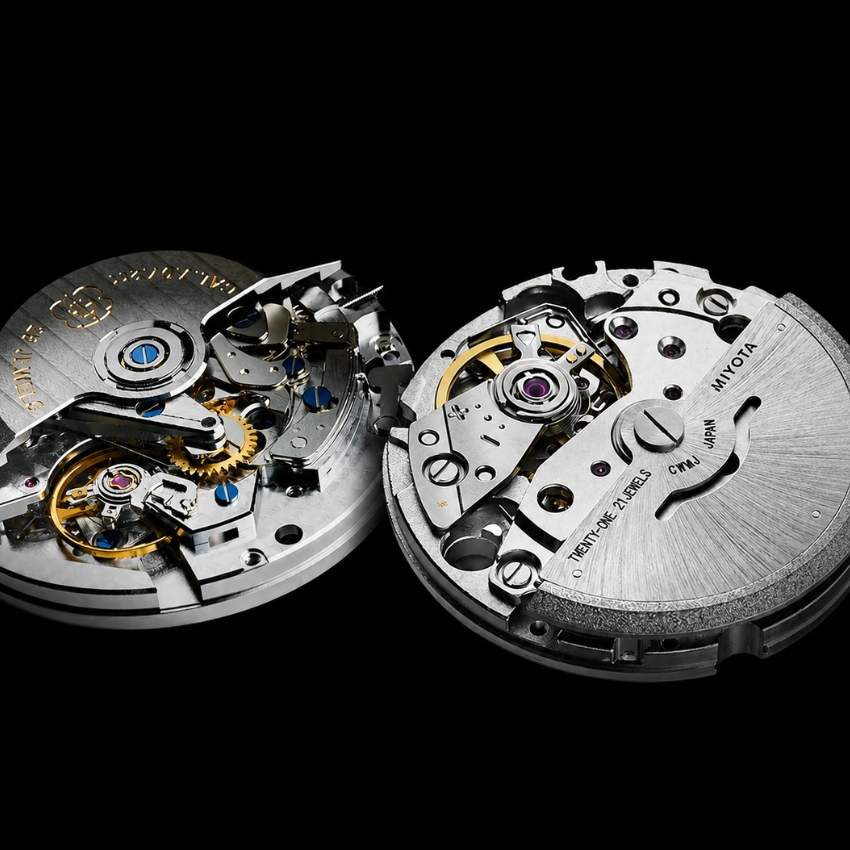
Neither is inherently better. They simply excel in different ways.
What Is a Japanese Movement on a Watch?
A watch’s movement is essentially its engine, controlling everything from the turning of the hands to the date function and power reserve.
Japan is home to several world-renowned movement manufacturers, including:
- Seiko
- Citizen (Miyota)
- Orient
- Epson
These companies produce millions of movements every year, ranging from simple quartz calibers to sophisticated automatic and Spring Drive movements.
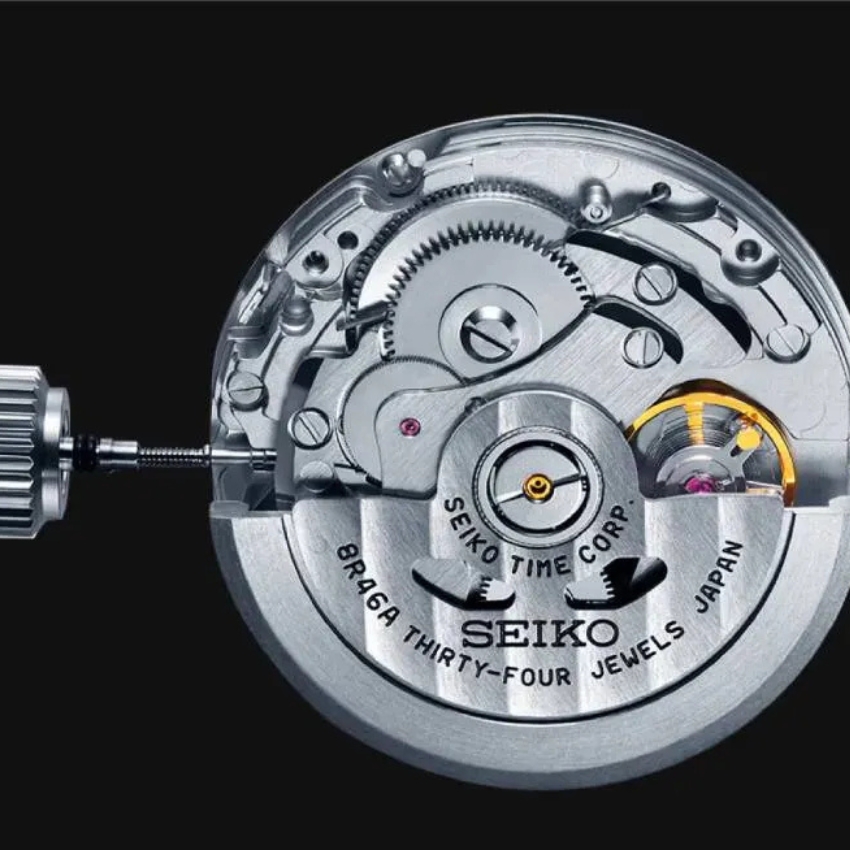
Because of their reliability and affordability, Japanese movement watches are incredibly popular, not just among Japanese brands, but also with microbrands around the world.
If you’ve ever owned a watch powered by a Seiko NH35 or Miyota 9015, you’ve already experienced just how dependable Japanese movements can be.
What Is a Swiss Movement in Watches?
A Swiss movement is manufactured in Switzerland according to strict legal standards. Contrary to popular belief, not every watch assembled in Switzerland automatically qualifies as “Swiss Made.”
Swiss law requires movements to meet specific criteria regarding manufacturing, assembly, and inspection before earning that designation.
Notable Swiss movements are produced by companies such as:
- ETA
- Sellita
- La Joux-Perret
- Kenissi
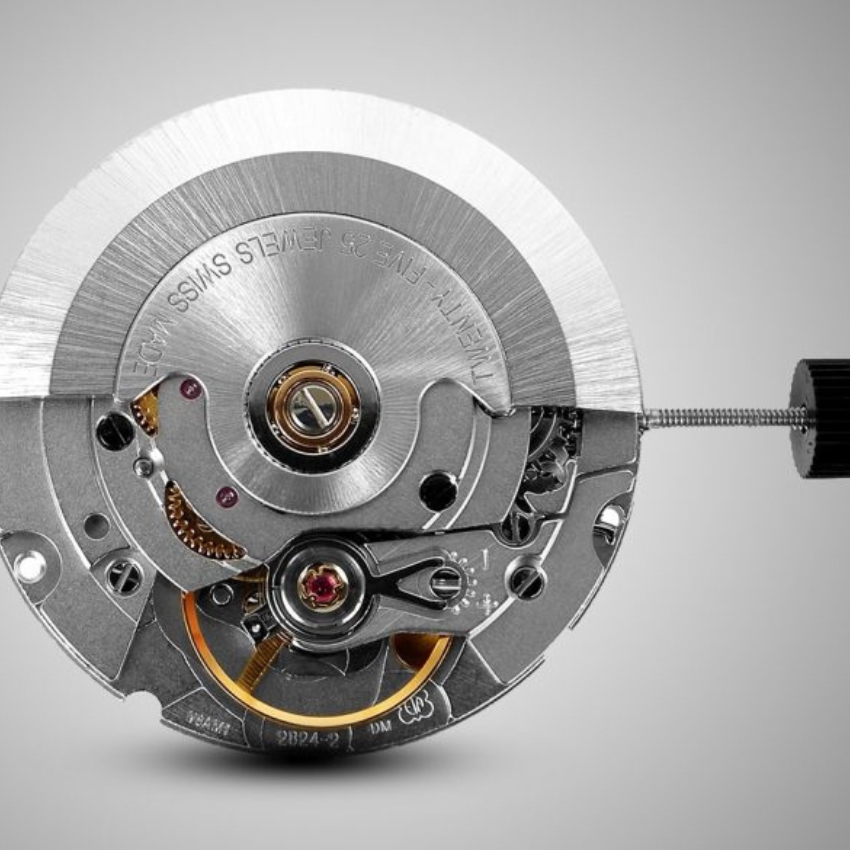
Many luxury brands, including Rolex, Omega, Tudor, and Longines, also manufacture their own in-house Swiss movements.
Swiss watchmaking has built its reputation over centuries by focusing on craftsmanship, precision engineering, and beautiful finishing.
Japanese vs Swiss Movement: What’s the Difference?
At first glance, there may not seem to be much separating a Japanese automatic from automatic Swiss watches. Both tell time, both can last decades with proper care, and both can be incredibly accurate.
The biggest differences come down to philosophy.
Japanese manufacturers generally prioritize practicality. Their movements are designed to be reliable, durable, and affordable.
Swiss manufacturers often emphasize craftsmanship, decoration, heritage, and mechanical refinement.
Many compare movements to cars.
A Japanese movement is like a Toyota; dependable, efficient, and built to keep running without overly expensive servicing.
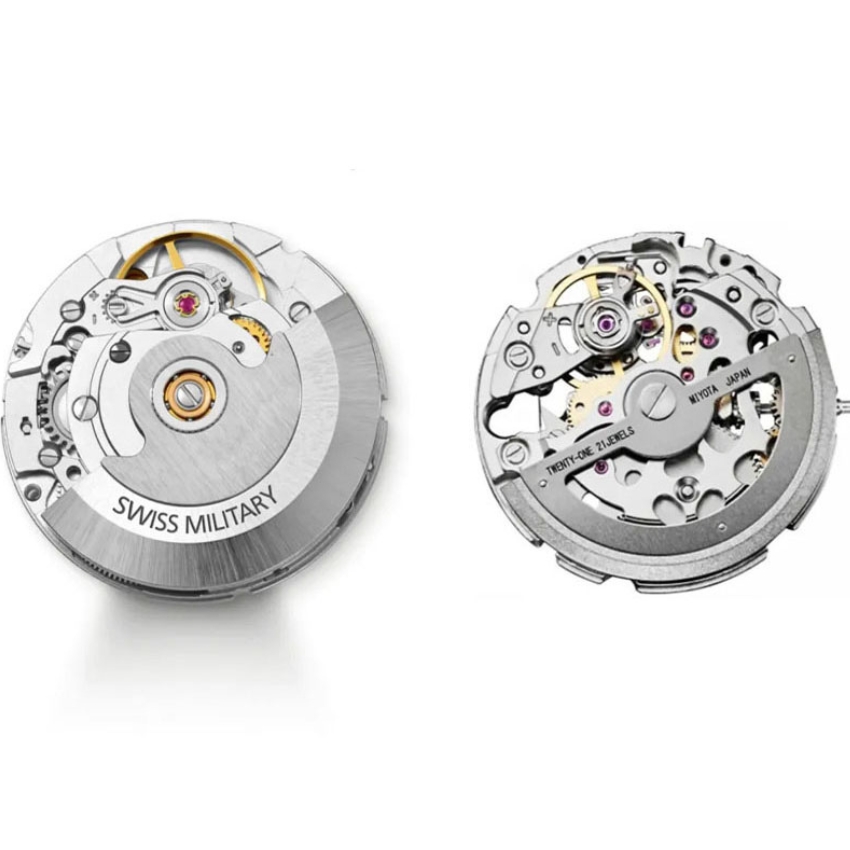
A Swiss movement is more like a Porsche; very much reliable, but engineered with an extra level of refinement, prestige, and complexity.
Japanese Automatic Movement vs Swiss Automatic Movement
An automatic movement winds itself through the natural movement of your wrist. Popular Japanese examples include:
- Seiko NH35
- Seiko 4R36
- Seiko 6R35
- Miyota 9015
- Orient F6922
These movements have become industry favorites because they’re reliable, easy to service, and quite affordable.
Many respected microbrands, like Baltic, Traska, Nodus, Zelos, and many others, use Japanese movements due to their dependability and lower price point.
On the Swiss side, you’ll commonly find:
- ETA 2824
- Sellita SW200
- Sellita SW300
- Tissot Powermatic 80
- Kenissi calibers
These Swiss automatic movements often feature tighter regulation, smoother winding, and more decorative finishing.
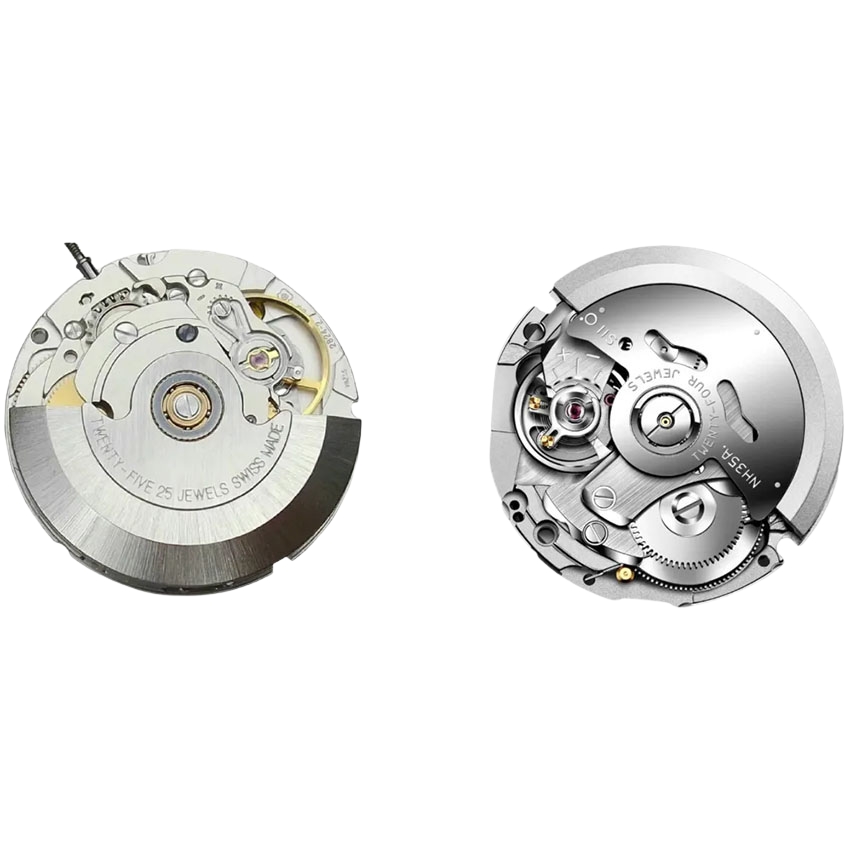
From the outside, though, most owners would never notice a difference during everyday wear.
Japanese Quartz Movement vs Swiss Quartz Movement
Mechanical watches may get most of the attention, but quartz shouldn’t be overlooked.
What is a Japanese Quartz Movement?
A quartz movement uses a battery and a vibrating quartz crystal to keep extremely accurate time.
Popular examples include:
- Seiko VK63 & VK64 Mecha-Quartz
- Seiko 9F Series
- Miyota 2035
- Citizen Eco-Drive
Japanese quartz movements are famous for being accurate, reliable, and inexpensive to maintain.
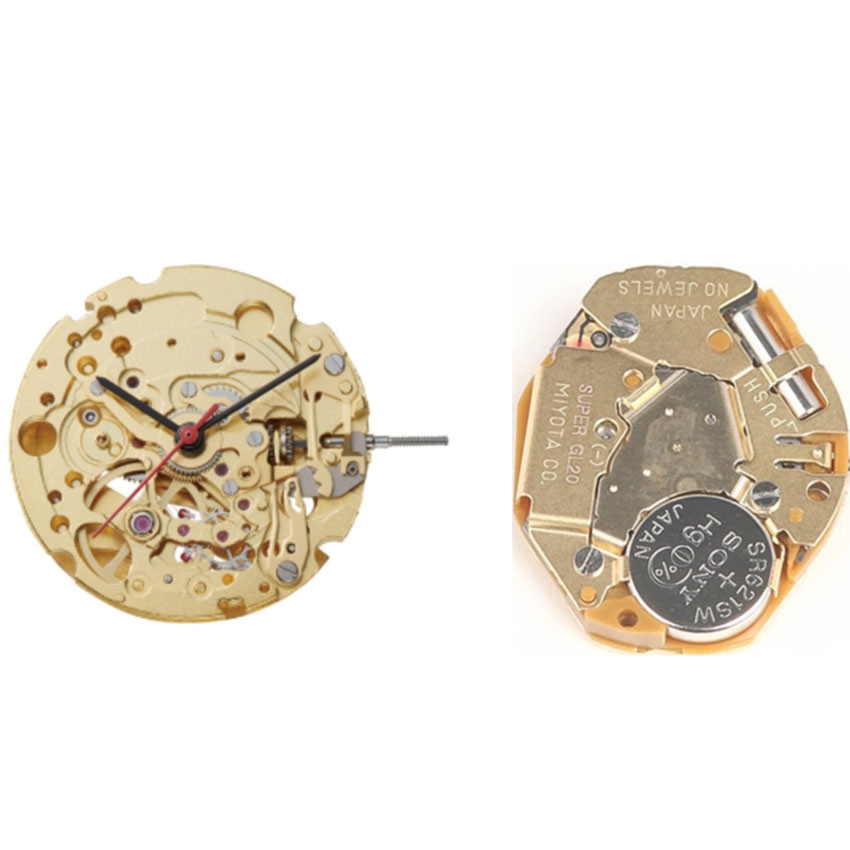
Many will run for years without requiring anything beyond an occasional battery replacement.
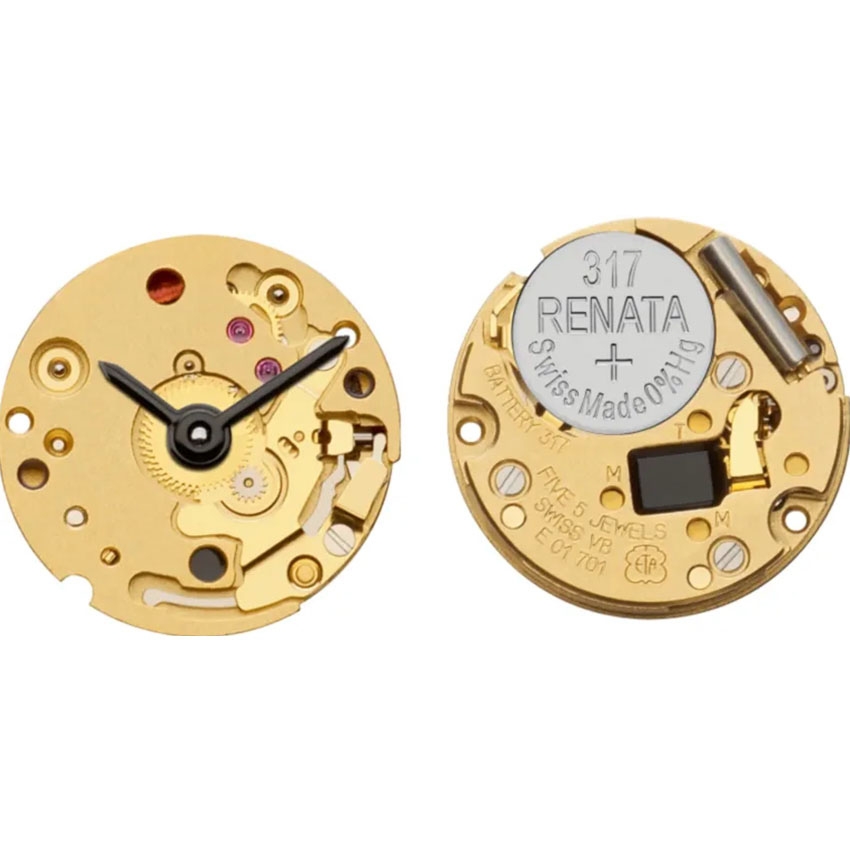
Swiss Quartz Movement
A Swiss quartz movement operates on mostly the same principles.
The biggest differences usually involve finishing, branding, and the overall watch surrounding the movement.
For pure accuracy, there’s little separating a quality Japanese quartz movement from a Swiss one.
Reliability
If reliability is your biggest concern, you can’t go wrong with either option.
Though, it’s not uncommon to find Seiko watches from the 1970s still running today with minimal servicing. Citizen and Orient have built similarly impressive reputations.
In real-world use, both countries produce movements capable of lasting decades. Swiss movements are equally dependable; however, it can be more complicated and expensive when it comes time to service and find parts for Swiss made watches.
Accuracy
One misconception is that Swiss watch movements are more accurate, but that’s simply not true.
Most entry-level automatic watches, whether Swiss or Japanese, run somewhere between -20 and +20 seconds per day, and higher-end movements can be regulated much more precisely.
Swiss manufacturers do have an advantage when it comes to chronometer or COSC-certified movements. Only accessible to Swiss-made movements, the Official Swiss Chronometer Testing Institute gives their “official chronometer” certification to Swiss-made movements that can achieve daily accuracy of -4 to +6 seconds per day.
Brands like Omega and Rolex regularly achieve this accuracy and certification, as well as microbrands like Christopher Ward who produce watches with Swiss movements.
At the same time, Grand Seiko’s Spring Drive technology offers accuracy that’s nearly impossible for traditional mechanical movements to match.
When it comes to accuracy, there isn’t a clear winner between Swiss or Japanese-made. Accuracy is often more reflected in the price point of a watch rather than where it’s made.
If accuracy is your top priority, we’d recommend a quartz movement, which in 2026 is still more accurate than even a COSC-certified automatic.
Finishing and Craftsmanship
This is where Swiss can sometimes justify their premium pricing. Take the caseback off an entry-level Seiko and you’ll likely see a movement that’s functional but somewhat plain. Do the same with a Longines or Oris using a decorated Sellita movement, and you’ll notice details like:
- Geneva stripes
- Engraved rotors
- Perlage
- Heat-blued screws
While these details don’t improve timekeeping, they do make the movement beautiful to look at. While many watch enthusiasts value function and practicality, many do appreciate these finishing techniques that showcase traditional watchmaking craftsmanship.
That said, Grand Seiko Japanese movements rival and sometimes exceed the finishing found on many Swiss luxury watches.
Service Costs
One area where Japanese watches really shine is affordability throughout ownership.
If you need your Seiko serviced, replacement parts are generally easy to source, and many independent watchmakers are comfortable working on common Japanese movements.
Swiss watches, however, are often more costly to maintain. Replacement parts or servicing may only be available through authorized service centers, and labor costs are usually higher.
If you’re planning to own a watch for decades or purchase a second-hand piece, servicing is worth considering before you buy.
Price and Value
This is perhaps the biggest reason so many enthusiasts recommend Japanese watches to beginners.
A $300 Japanese automatic, like a Seiko 5 or Orient Bambino, can deliver an incredible ownership experience. To get the same level of finishing and brand prestige from Swiss movement watches, you may need to spend two or three times the amount.
That’s not to say Swiss watches are overpriced. Rather, you’re paying for centuries of history, craftsmanship, finishing, brand recognition, or iconic designs like the Hamilton Khaki or Tissot PRX.
Best Japanese Watches
Japan has produced some of the most influential watches ever made.
Here’s a rundown with a few of our favorites.
Seiko
Few brands have shaped modern watchmaking quite like Seiko.
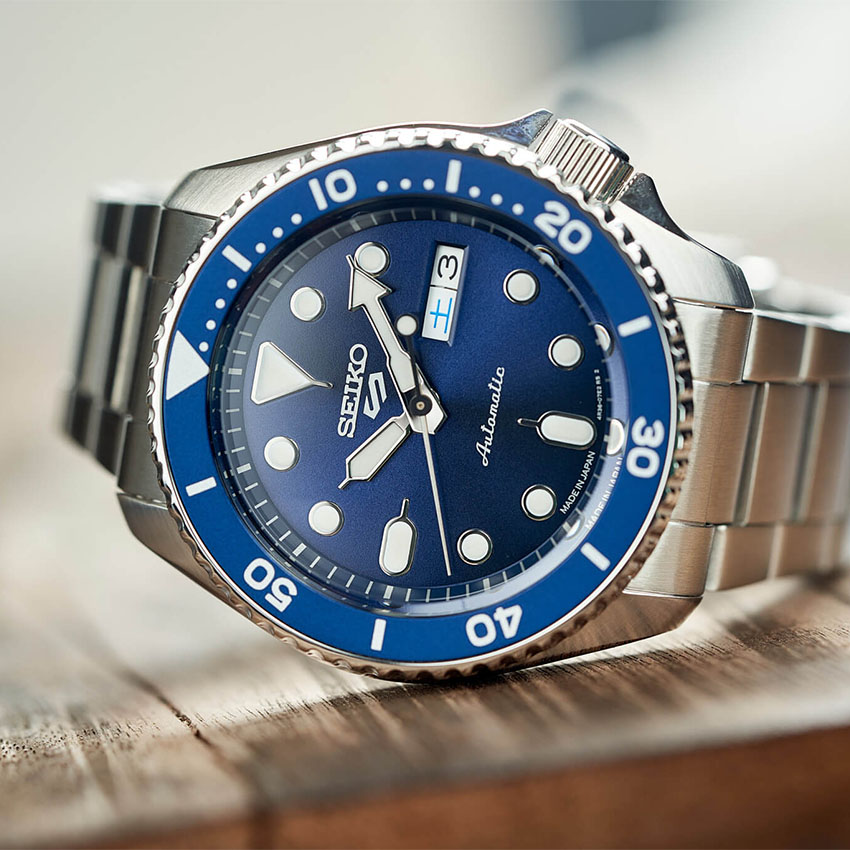
Whether you’re looking for a rugged dive watch, an elegant dress watch, or an everyday field watch, there’s a Seiko watch for nearly every budget.
Popular collections include:
- Seiko 5
- Prospex
- Presage
- King Seiko
Citizen
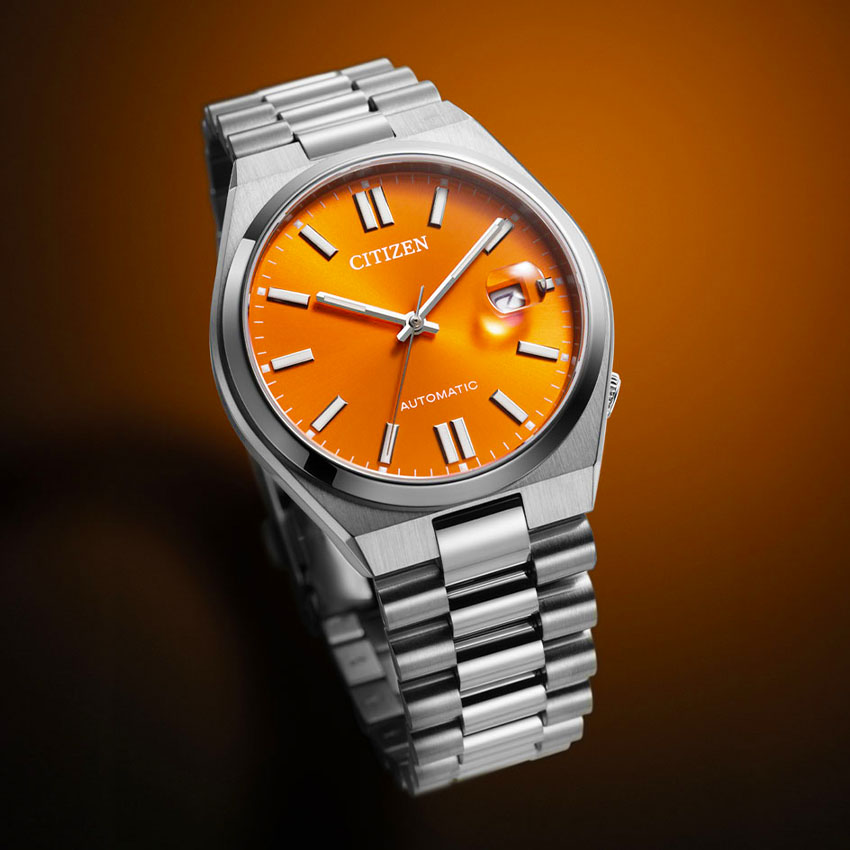
While not always considered a top brand among collectors, Citizen’s been up to some interesting stuff lately. Their Tsuyosa series has been a favorite among enthusiasts offering a similar integrated bracelet design as the PRX Automatic with a more accessible price tag.
Citizen’s Eco-Drive technology remains one of the industry’s best solar-powered systems, eliminating the need for regular battery changes.
Orient
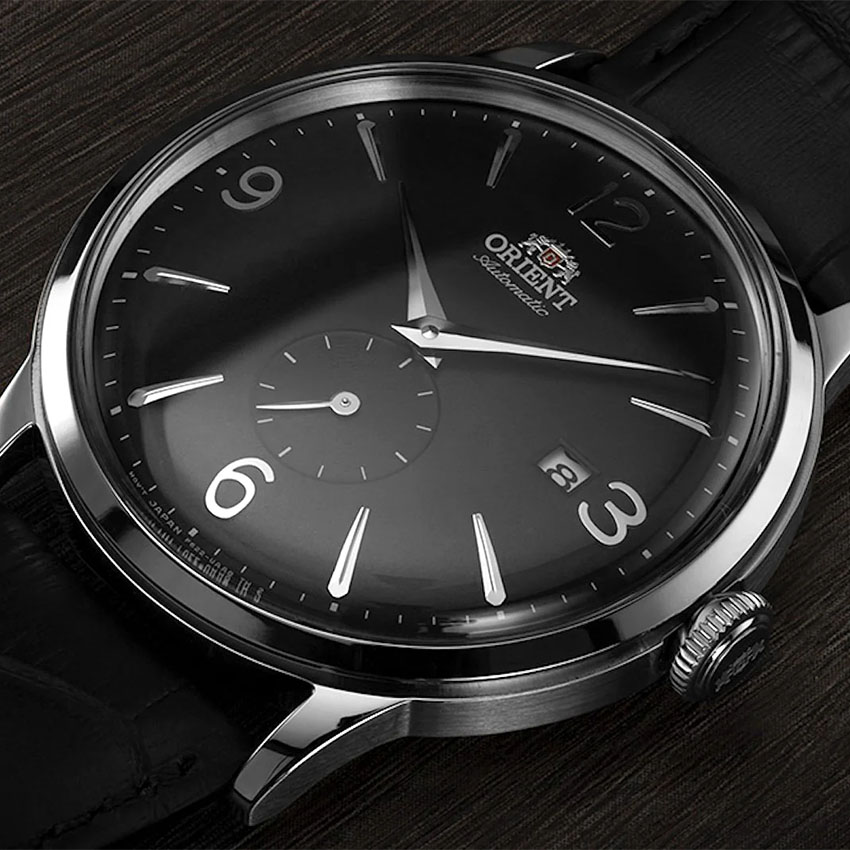
Orient has become one of the best values in automatic watches and a top brand for new collectors.
The Bambino remains one of the easiest dress watch recommendations under $300, while the Kamasu is one of our favorite affordable dive watches.
Grand Seiko
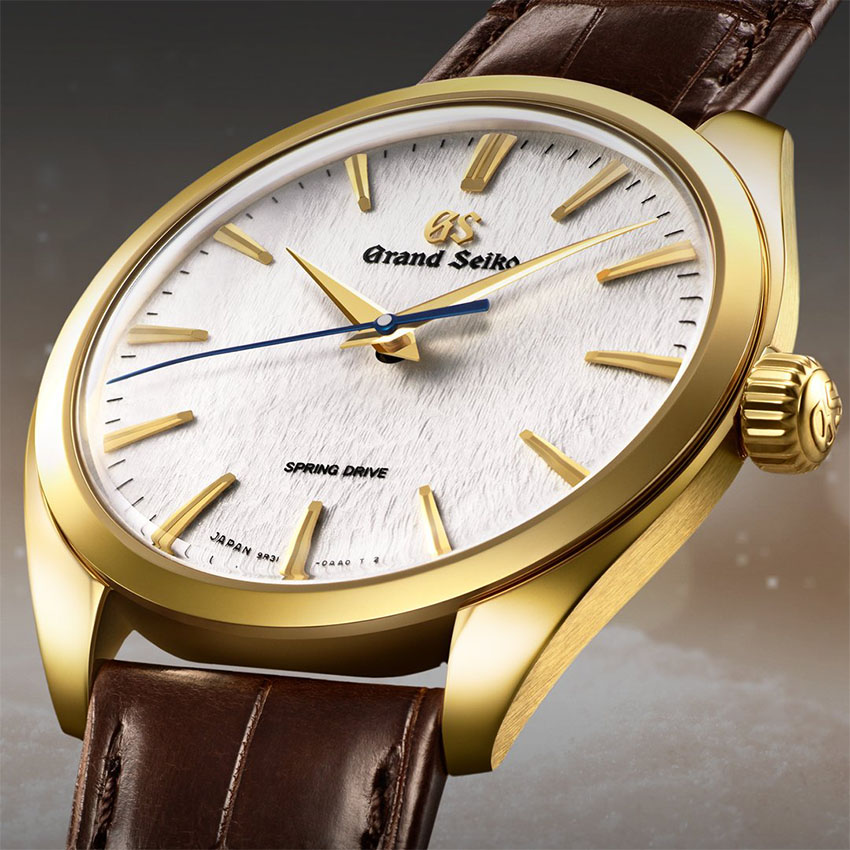
No discussion of the best Japanese watches is complete without Grand Seiko.
Known for exceptional finishing, razor-sharp polishing, and groundbreaking Spring Drive technology, Grand Seiko competes directly with many luxury Swiss brands.
Some collectors even prefer the meticulous craftsmanship found on Grand Seiko Japanese watches over Swiss alternatives.
Japanese Microbrand Watches
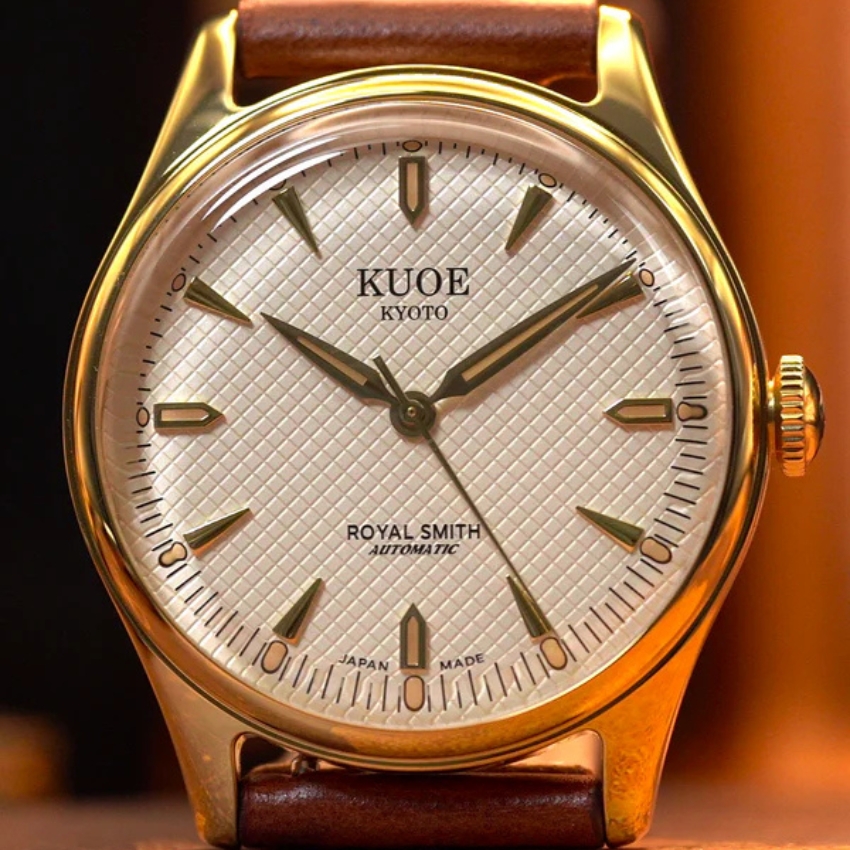
The popularity of Japanese microbrand watches has exploded over the past decade.
Brands like Kurono Tokyo, Kuoe Kyoto, Knot, and Minase have introduced enthusiasts to beautifully designed watches that blend Japanese craftsmanship with distinctive styling.
Many international microbrands also rely on Japanese movements because of their outstanding reputation and accessibility.
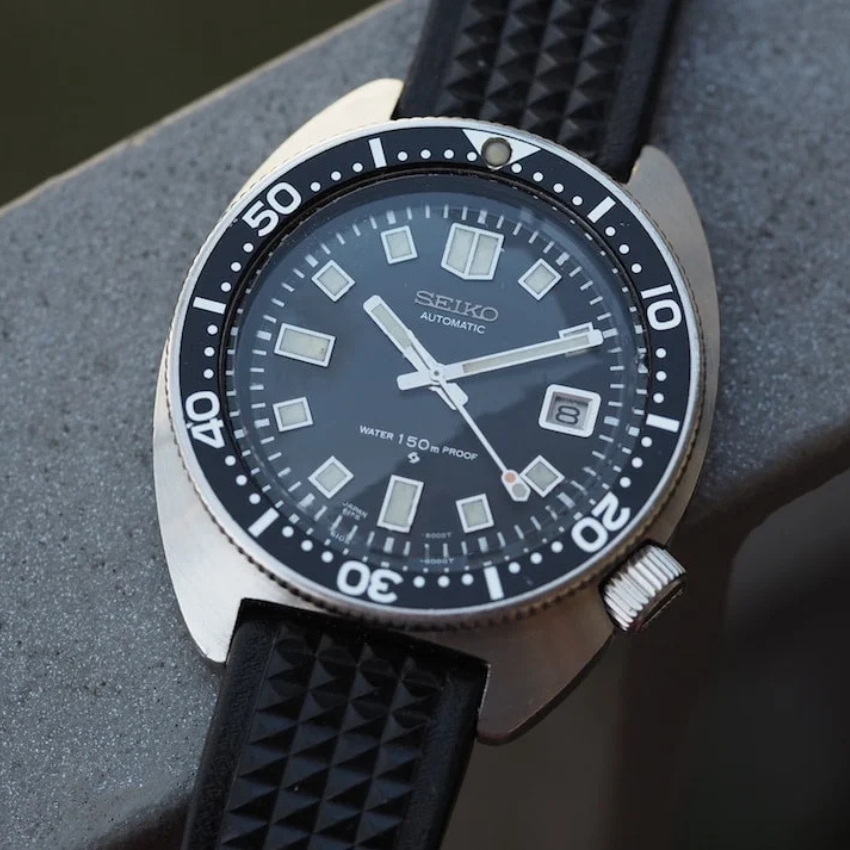
Japanese Vintage Watches
Vintage collectors shouldn’t overlook Japan either.
From classic Seiko divers to vintage Citizens and early Orient models, Japanese vintage watches often provide incredible value.
Unlike many vintage Swiss watches, replacement parts for older Japanese models are frequently easier to find, making ownership less intimidating and expensive.
Best Swiss Watch Brands
Swiss watchmaking hardly needs an introduction.
Some of the world’s most respected Swiss brand watches include:
- Rolex
- Omega
- Tudor
- Longines
- Tissot
- Hamilton
- Oris
- TAG Heuer
- Breitling
Whether you’re shopping for an affordable or midrange everyday piece or heirloom-quality timepieces, these brands have earned their reputations.
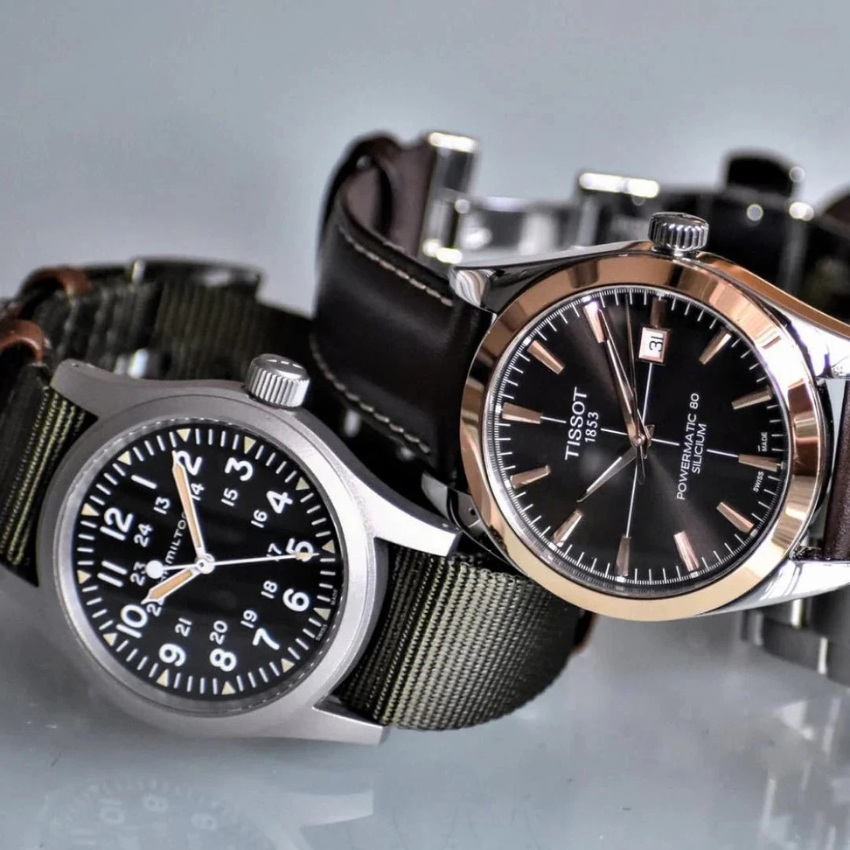
For affordable Swiss watch brands, you can’t go wrong with Hamilton or Tissot.
So… Which Should You Buy?
If someone asked us to recommend one to a beginner collector without knowing anything else, we’d probably suggest a Japanese automatic. At the end of the day, it’s almost impossible to beat the value, and getting a great watch to wear everyday or start a collection does not have to be expensive.
A Seiko, Orient, or Citizen watch offers an incredible ownership experience for the money, and they’re watches you can easily enjoy for decades.
However, if craftsmanship, finishing, heritage, and luxury matter more to you than pure value, luxury Swiss watches remain difficult to beat.
It really comes down to the watch or design you fall in love with, and we recommend holding out for a watch you really like, whether it’s Swiss, Japanese, or from somewhere else entirely.
Plus, most enthusiasts will eventually own both Swiss and Japanese watches.
Final Thoughts
The debate between Swiss movements vs. Japanese movements isn’t about finding a winner. It’s about finding the watch that best fits your lifestyle, budget, and preferences in watchmaking.
If you value unbeatable reliability and bang for your buck, Japanese watches are hard to top. If you’re drawn to traditional craftsmanship, refined finishing, and the romance of Swiss horology, you’ll likely appreciate what Swiss brands bring to the table.
Whichever route you choose, remember that the movement is only part of the design. If there’s a watch you love and that fits your budget, a Swiss or Japanese movement shouldn’t be a deterrent. And if price is an issue, there are always great second-hand deals to be found.
Let us know, do you prefer Swiss or Japanese movements?



Comments
This was a great article! Especially for someone who just got into watches a few months ago, like myself. Thanks!
You can get a Japanese movement as expensive as a top Swiss movement. But maybe not if you want a high complication count. The Swiss go for that more than Japanese brands. And you can get a cheap Swiss quartz movement as cheap as a cheap Japanese quartz. Swatch is Swiss after all. But the article is correct in most cases.
I have never met a watch nerd who would turn his nose up at a Japanese watch. A luxury products nerd might do that but not a watch nerd.