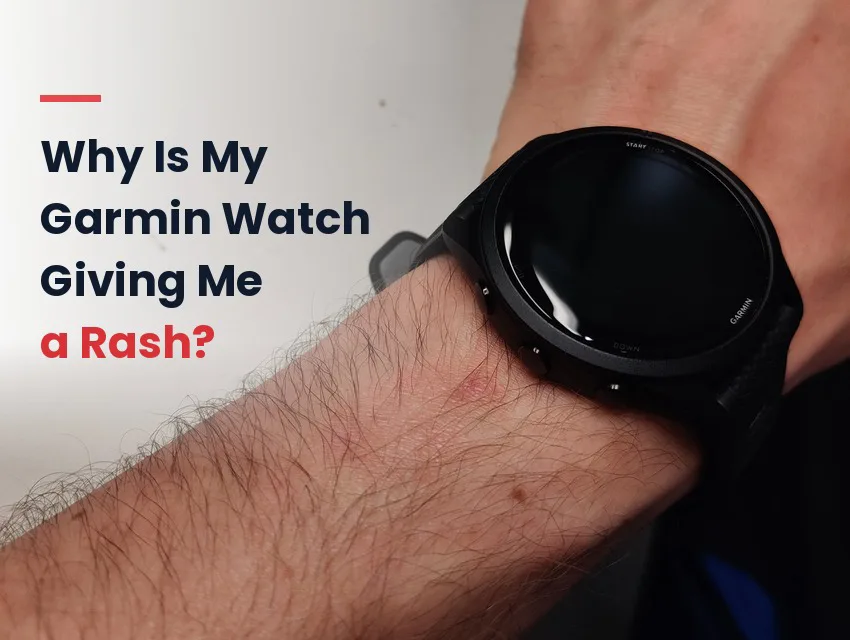

Garmin watches are built to be worn day and night, and most owners do exactly that because features like sleep tracking, Body Battery, and all-day heart rate data all depend on it. The downside is that when you let the band sit against the same patch of skin for days at a time, you may eventually notice an irritation or rash.
The good news is that watch strap rash is fairly common and easy to clear up. It’s most likely that the rash under your watch band comes down to sweat, fit, and a band that’s overdue for a cleaning, and a few small changes can help prevent and fix the problem.
We’ll walk through what’s behind a watch causing skin irritation, why Garmin owners seem to run into it more often, which strap materials make a difference, and how to treat and prevent it.
This article is general information, not medical advice. If you’re worried about a rash, it’s always worth checking in with a doctor or pharmacist.
Key Takeaways
Here’s the short version.
- Most watch rashes are irritation rather than an allergy, caused by trapped sweat, friction, and buildup under the band.
- Garmin owners run into it often because their watches stay on day and night, sit snug for heart rate tracking, and go through every workout.
- If a rash develops, Garmin’s advice is to stop wearing the watch until your skin has healed.
- A clean, dry wrist and band, a snug but comfortable fit, and regular breaks help prevent most flare-ups.
- The type of strap can make a difference, since materials like FKM rubber wipe clean after workouts and nylon lets your skin breathe.
Why Does My Watch Band Give Me a Rash?
A watch band puts constant moisture, pressure, and rubbing on one small patch of skin, often for days at a time.
Thankfully, most watch rashes come down to everyday causes like sweat, friction, and buildup under the watch, not the band or watch itself. Here are the most common ones.
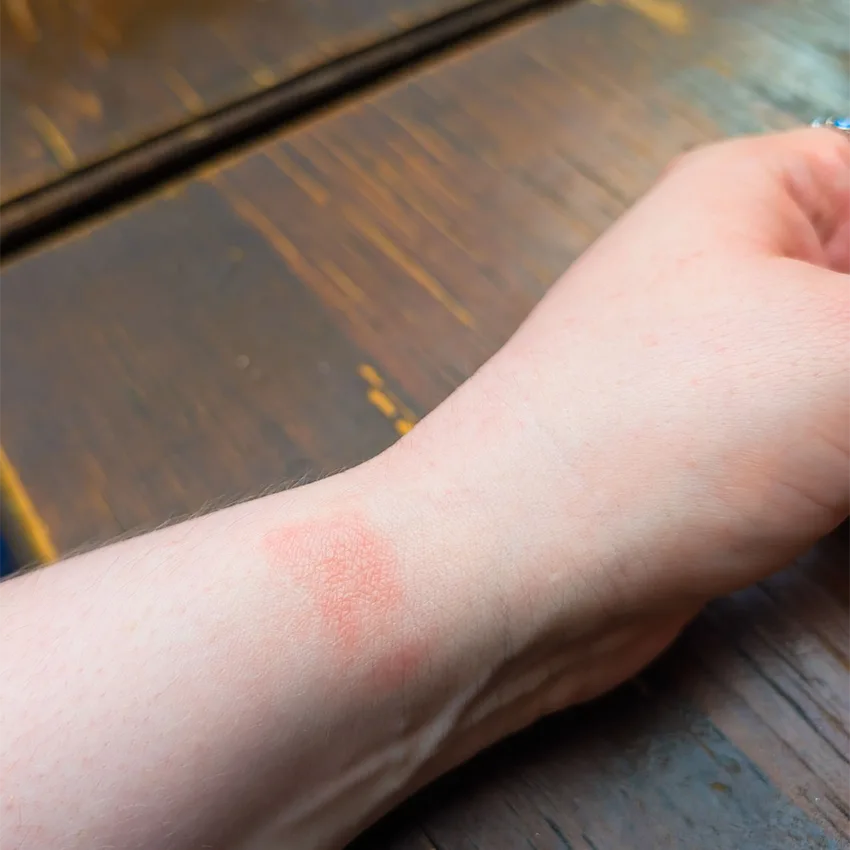
Trapped Sweat and Moisture
Trapped moisture is the most common culprit. Sweat, shower water, and soap residue get sealed under your band with nowhere to go, and skin that stays damp for hours loses some of its natural protection. That’s why a red rash under your watch band often begins and ends where your device or strap sits.
Friction and a Too-Tight Fit
Finding the right fit is key to comfortable, long-term wear. A band that’s cinched too tight presses into your skin and rubs with every arm swing. Over a long run or a full day, that continuous friction can leave skin raw and irritated. Loosening the strap too much can also cause irritation over a wider area because it slides back and forth repeatedly.
Soap, Sunscreen, and Lotion Buildup
Soap, sunscreen, and lotion can all find their way under your band. They then get trapped against your skin along with sweat and can slowly build up on the underside of the band and the back of the watch. When your strap and device are dirty, they can keep irritating your skin even after you’ve washed your wrist.
Heat Rash
Heat rash happens when sweat ducts get blocked and sweat gets trapped under the skin. It shows up as tiny, itchy bumps, and it’s most likely in hot, humid weather or during hard workouts under a band that doesn’t breathe. Luckily, heat rash usually clears once your skin cools down.
Is It an Allergy?
Sometimes irritation around the device and watch band is an allergy, but it’s less likely. An allergic reaction happens when your immune system reacts to a specific substance, and once you’re sensitized, even a small amount can set it off.
On watches, common triggers include nickel in metal buckles and case parts, chemicals used to make some rubber, and adhesives used in watch and band construction. An allergic rash can show up hours or even days after contact, and it may itch, swell, or blister. If you suspect an allergy, choose a band that avoids your trigger, like a nylon or FKM strap, and check the buckle material if you react to nickel.
If your rash keeps coming back no matter how clean and dry you keep things, a dermatologist can do a patch test to pinpoint the cause.
Why Is My Garmin Watch Band Giving Me a Rash?
Why do Garmin users specifically get these rashes and irritations? It’s not unusual for someone to wear a classic watch for years without a problem, then notice a Garmin rash not long after switching. Garmin devices are used differently than classic watches, which is why Garmin watch skin irritation is so common.
Compared with a traditional watch, a few habits make a Garmin watch band rash more likely:
- You wear it around the clock, since sleep tracking, Body Battery, and all-day heart rate data only work when the watch stays on.
- You wear it snug, because Garmin recommends wearing the watch above your wrist bone, snug but comfortable, so it doesn’t shift while you’re running or exercising.
- You wear it through every sweaty session, from runs and rides to gym workouts and swims.
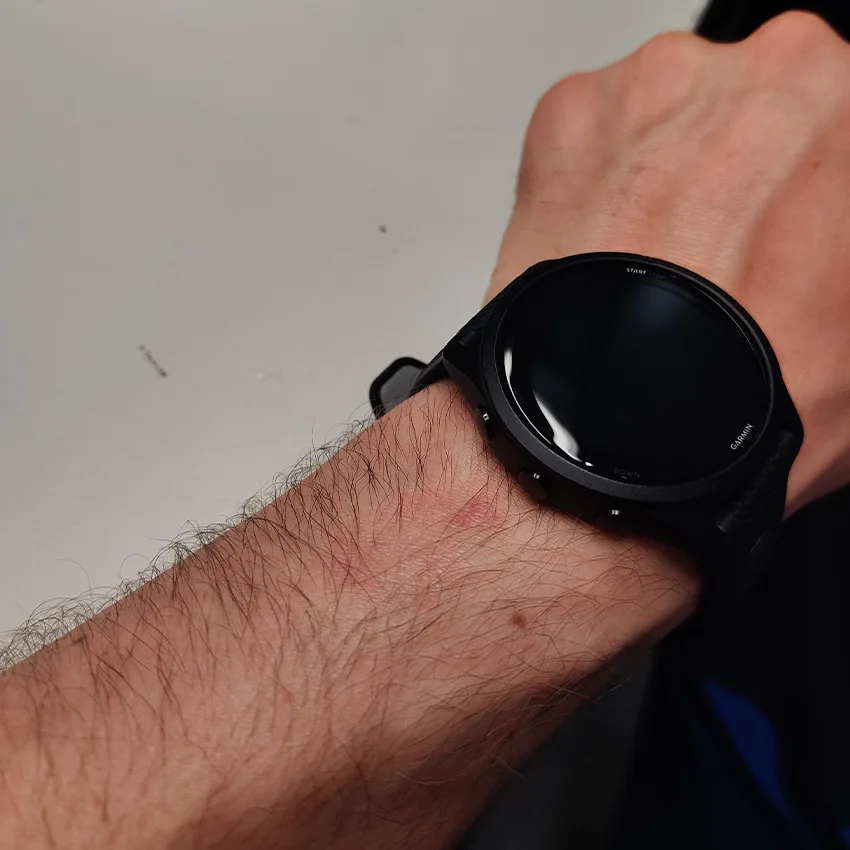
That snug fit keeps the optical heart rate sensor reading accurately, but it also means less airflow and more trapped sweat. Garmin notes that some users may experience skin irritation after prolonged use, especially those with sensitive skin or allergies.
In other words, a Garmin watch rash usually comes from the same mix of constant contact, moisture, and pressure covered above, just with fewer breaks. A rash from Garmin watch band contact often shows up after a stretch of heavy training or hot weather, when your wrist rarely gets a chance to dry out.
Which Watch Strap Materials Are Easiest on Your Skin?
Your strap material likely won’t cause or cure a rash on its own, but it can make a real difference in how much sweat and grime sit against your skin. Each material has its strengths, and the most comfortable Garmin watch strap for you depends on how you wear your watch.
Silicone and FKM Rubber
Silicone comes standard on many Garmin models, and for good reason. It’s soft, flexible, waterproof, and comfortable straight out of the box.
Can a silicone watch band cause irritation? Since it’s such a common Garmin watch strap material, it’s easy to attribute watch rash to the material. And the truth is that, while you can develop a silicone watch band rash, it’s usually not because of the material itself. Silicone doesn’t breathe, so any sweat, lotion, and moisture get trapped against your skin, and if the band isn’t cleaned regularly, that grime can build up.
DuraFlex FKM rubber generally handles moisture and chemicals like chlorine better than standard silicone and resists breaking down over time. It also deters dust and lint, so it stays looking fresh and wipes clean easily. But if it’s not dried properly, it can still trap moisture beneath the strap, leading to rashes.
FKM and silicone are naturally skin-friendly materials. Neither one breathes, though, so fit and cleaning still matter to avoid irritation.
Nylon
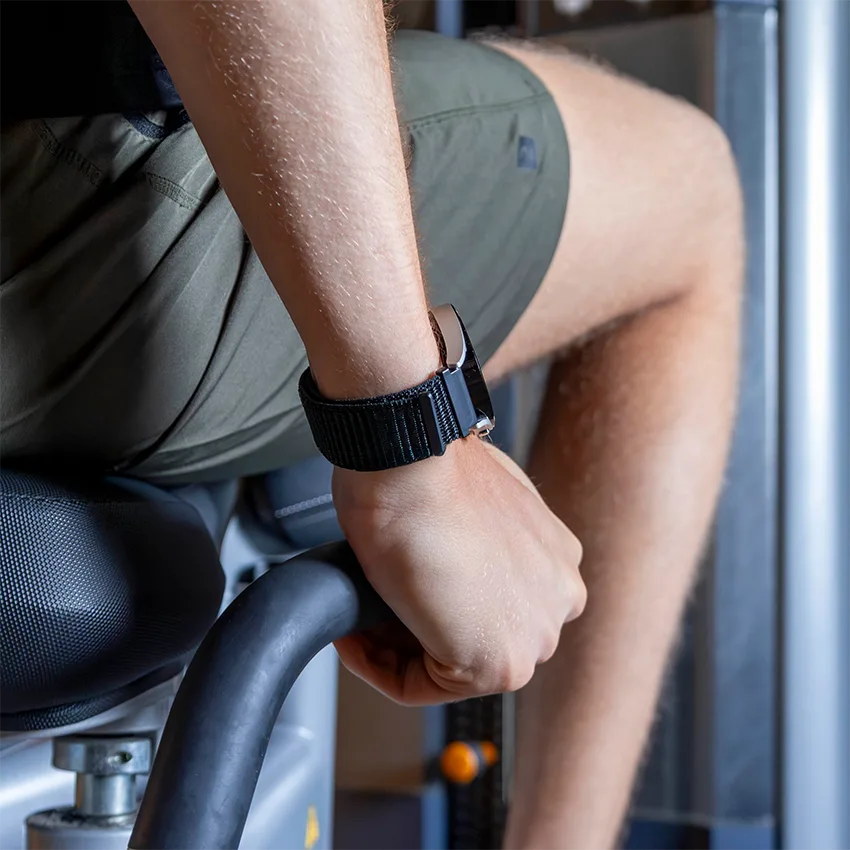
Nylon watch straps are a comfortable, breathable option for Garmin devices. The woven fabric lets air reach your skin, which helps sweat evaporate instead of pooling under the band.
That makes a nylon stretch band for Garmin watches hard to beat for everyday wear and sleep tracking. The trade-off is that fabric soaks up sweat, so it needs to be washed and dried regularly to avoid holding onto odor and irritating your skin.
Leather and Metal
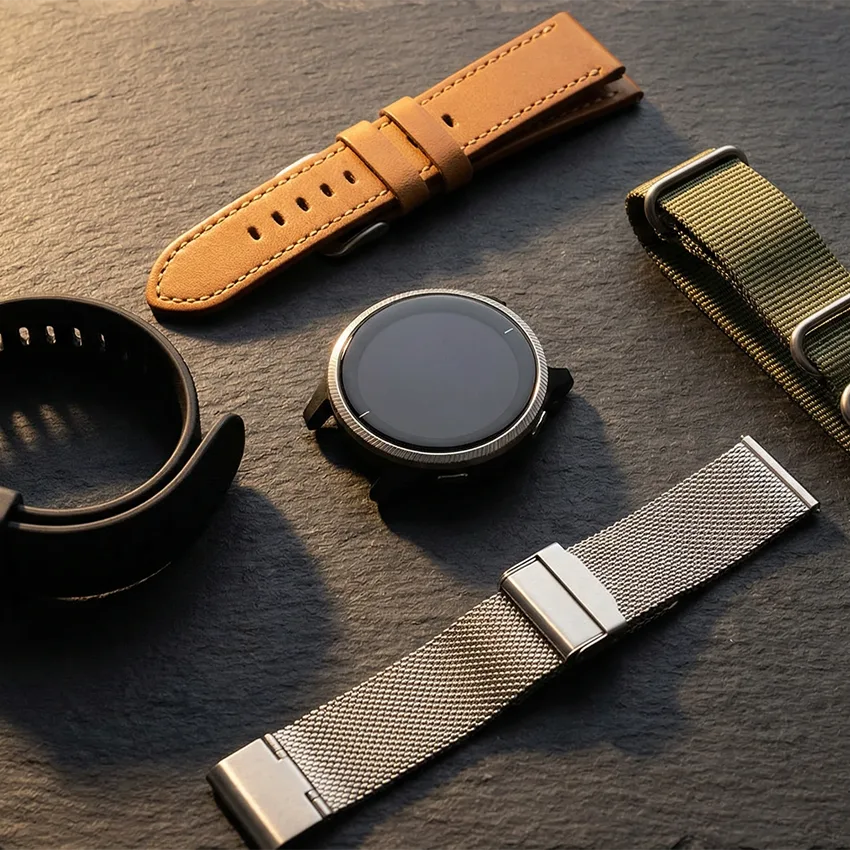
Leather watch straps look great at the office, but aren’t built for workouts. They absorb sweat and stay damp, which is exactly what irritated skin doesn’t need. A long, sweaty run is about the worst thing you can do to a leather strap, so we’d save them for dry, low-key days.
Metal bracelets let more air reach your skin than a solid strap, but metal is where nickel comes into play. If you have sensitive skin or know you react to nickel jewelry, be cautious with metal bands and buckles.
How to Prevent and Treat a Garmin Watch Rash
Fixing a watch rash rarely requires anything complicated. A few small habits can stop irritation before it starts, and if a rash has already shown up, a little patience usually takes care of the rest.
Overall, Garmin’s fit and care guidance comes down to this: keep the watch clean and dry, don’t overtighten it, and if you develop a rash, stop wearing the watch until your skin has healed. Your first move when a rash develops should be to give your wrist a break by removing the watch or switching the wrist it’s on.
Prevent
Here’s how to prevent Garmin watch rash and how to stop watch irritation before it starts:
- Wear it snug but comfortable. Garmin recommends a fit that doesn’t shift during exercise, but there’s no need to crank it down. If you tighten it a notch for a workout, loosen it again afterward.
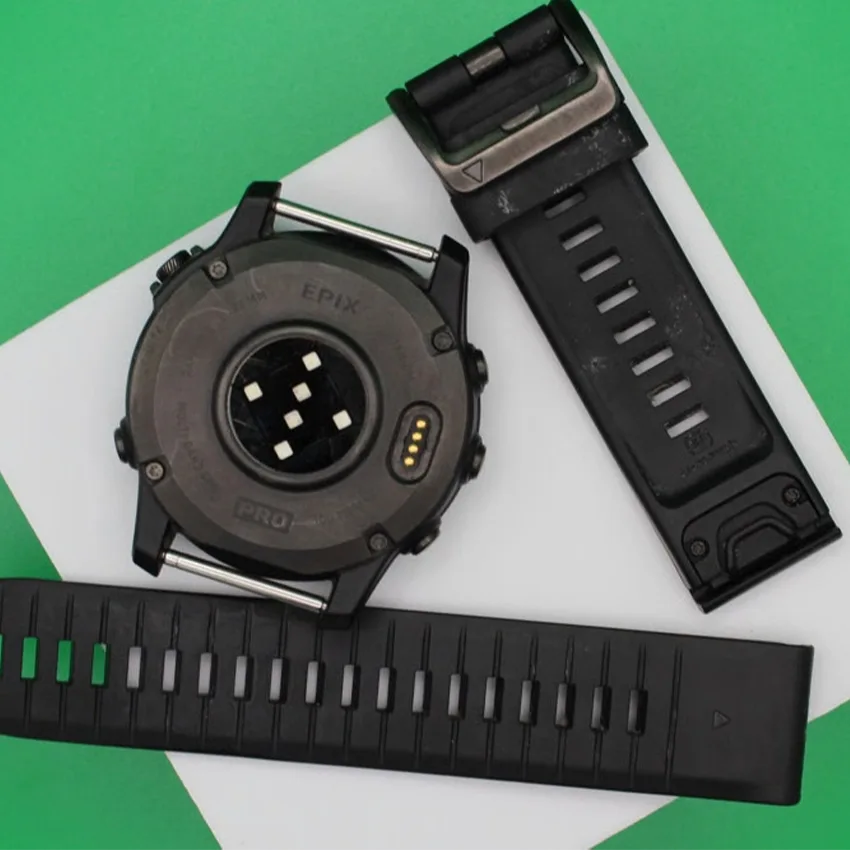
- Clean your band and the back of your watch regularly. Wipe both with a cloth dampened with mild soap and water, then dry them completely.
- Dry off after sweaty sessions and swims. Take the watch off, dry your wrist, rinse with fresh water after contact with sweat, chlorine, or salt water, and dry it completely before putting it back on.
- Give your skin a break. Take the watch off for a while each day, like while you shower or charge it.
- Switch wrists every so often to give each side time to recover.
- Keep lotion and sunscreen away from the band area, or let it soak in fully before you put your watch back on.
Treat
If you’re wondering how to treat rash from watch band irritation, start with these steps:
- Take the watch off. Garmin recommends that you stop wearing it until your skin has healed.
- Wash the area gently with mild soap and lukewarm water.
- Pat your skin completely dry, and let it breathe.
- Clean the band and wipe down the back of the watch, so you’re not putting the irritant right back on your skin.
- Ease back in once the rash clears. Wear the band a little looser, and keep the area clean and dry.
This is not medical advice. See a doctor or pharmacist if the rash is severe, spreading, blistering, or oozing, and get medical care if you notice signs of infection like pus or a fever.
Give Your Wrist Room to Breathe
Whether you’re training for a marathon or just wearing your Garmin to bed every night, a rash from watch band wear is usually your skin asking for a break. In most cases, a clean, dry wrist, a snug but comfortable fit, and a little time off are all it takes.
If your stock band keeps trapping sweat, a different strap material can make a real difference. Browse our Garmin watch bands to find an FKM or nylon option that fits your watch and the way you train.
What band do you wear for long, sweaty training days, and has switching materials made a difference? Tell us in the comments!
Frequently Asked Questions
Why does my silicone watch band give me a rash?
Usually, it’s trapped sweat rather than the silicone itself. Silicone doesn’t breathe, so moisture, soap, and sunscreen get sealed against your skin, and the band collects grime over time. True silicone allergies are uncommon. Cleaning and drying the band regularly, wearing it a little looser, and taking it off for breaks often clears things up.
Is a red rash under my watch band an allergy?
Sometimes, but probably not. Most watch band rashes come from sweat, friction, and buildup rather than an immune reaction. An allergy is more likely if the rash itches intensely, blisters, or keeps coming back even when your band is clean and fits well. Certain metals, like nickel, can be a common trigger for people with allergies or sensitive skin.
How long does a watch band rash take to clear up?
It depends on the cause. Heat rash usually clears once your skin cools down, and mild irritation from sweat or friction often improves within a few days of giving your wrist a break. An allergic rash can take longer to settle, even after you remove the trigger. If your rash isn’t improving or is painful, spreading, or infected, contact a doctor.
Can I keep wearing my Garmin if I have a rash?
It’s best to take it off. Garmin recommends that you stop wearing your watch until your skin has healed. Wearing it over irritated skin traps more sweat and friction against the area and can make the rash last longer. Once your skin clears up, clean the band, wear it a little looser, and give your wrist regular breaks.
What watch band material is best for sensitive skin?
There’s no single best material for everyone, but breathable, easy-to-clean bands tend to be the most comfortable. Nylon lets air reach your skin, while FKM rubber and silicone are naturally skin-friendly and wipe clean after sweaty workouts. If you react to nickel, look closely at metal buckles and bracelets. Whatever you choose, keeping it clean and dry matters most.