


When you’re shopping for a watch, one term you’ll encounter over and over is “watch movement.” But what is a watch movement, and why does it matter? In simple terms, the movement is the engine of your watch — the mechanism that powers it, drives its hands, and keeps time. And you’ll come to find out, not all movements are built the same.
In this guide, we’re breaking down notable watch movement types you’ll come across. Whether you’re a seasoned collector or you’re just getting started, understanding how these movements work will help you find the best watch movement for your needs.
Mechanical Movement
What is a mechanical watch movement? It’s the oldest and most traditional movement, dating back centuries.
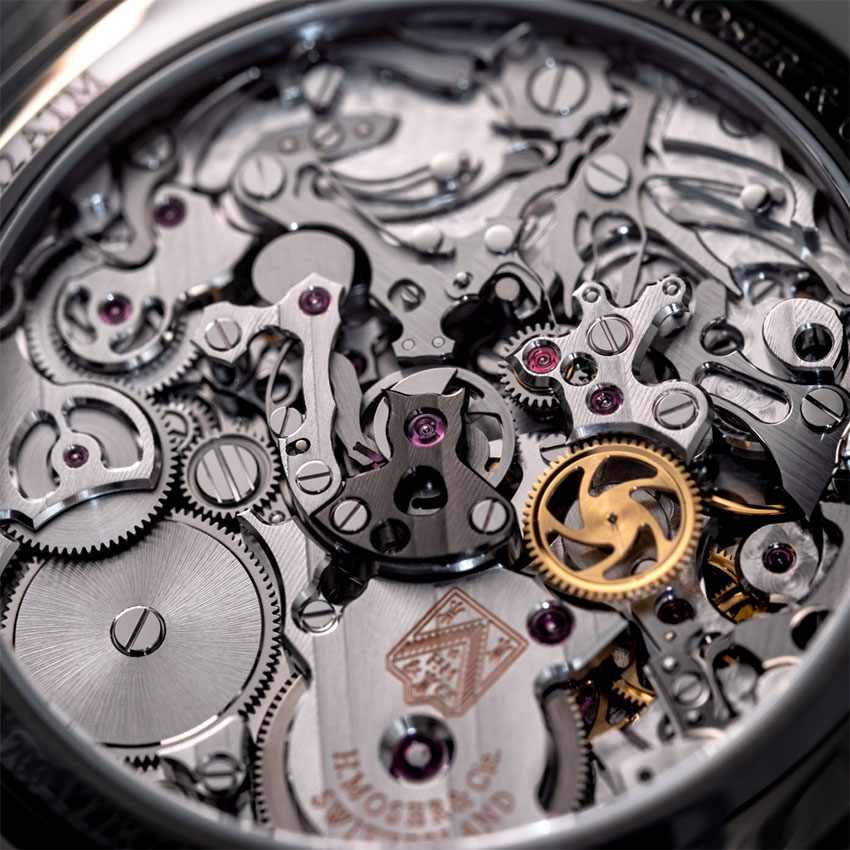
How does a mechanical watch work? This type of movement is powered by a mainspring that you wind by hand. As the spring unwinds, it releases energy that moves the gears and hands of the watch. It’s all about gears, springs, and pure craftsmanship — no batteries here.
Curious about the difference between a mechanical vs. automatic watch? While both are mechanical at heart, automatic movements wind themselves using your wrist’s motion (more on that next).
Automatic Movement
An automatic watch movement is essentially a mechanical movement with a self-winding capability. Inside the case is a rotor that spins as you move your wrist, which in turn winds the mainspring.
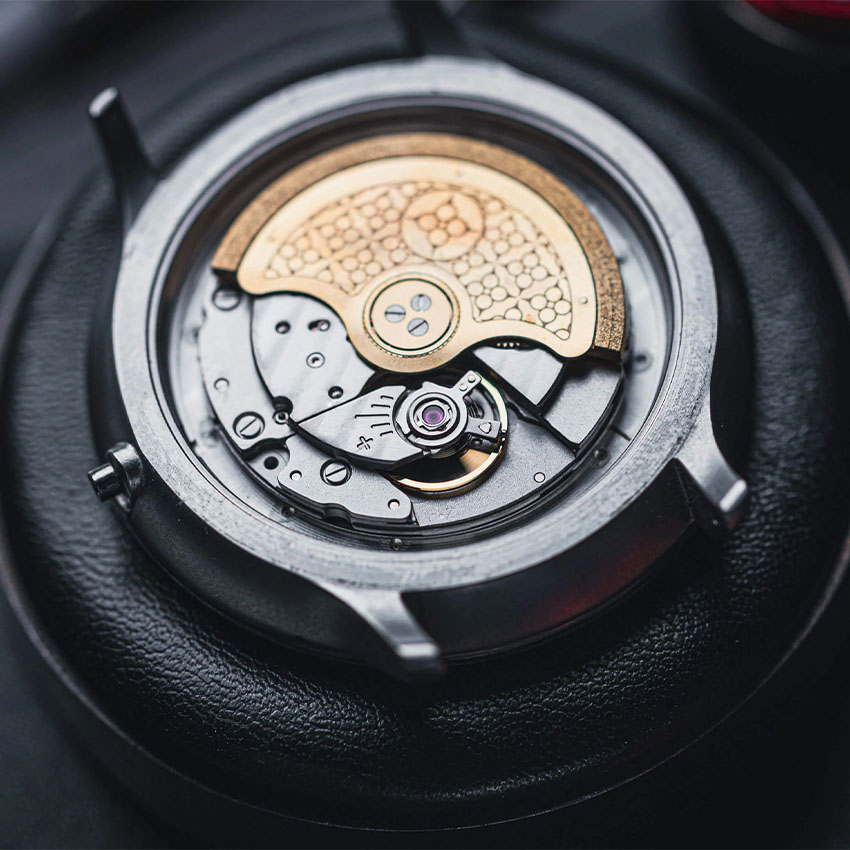
This type of movement is popular because it blends convenience and craftsmanship — no batteries or daily winding required (if you wear it regularly that is). This is because most automatic watches feature a power reserve, which stores enough energy to keep the watch running for anywhere from 36 to 80 hours — or even more on some high-end models. If you’re looking for a reliable and low-maintenance watch with timeless appeal, an automatic watch hits the sweet spot.
Quartz Movement
What is a quartz movement, and why is it so popular? This type of watch movement uses a battery to send electricity through a quartz crystal, which vibrates at a precise frequency (32,768 times per second). These vibrations regulate the movement, making quartz watches incredibly accurate and low maintenance.
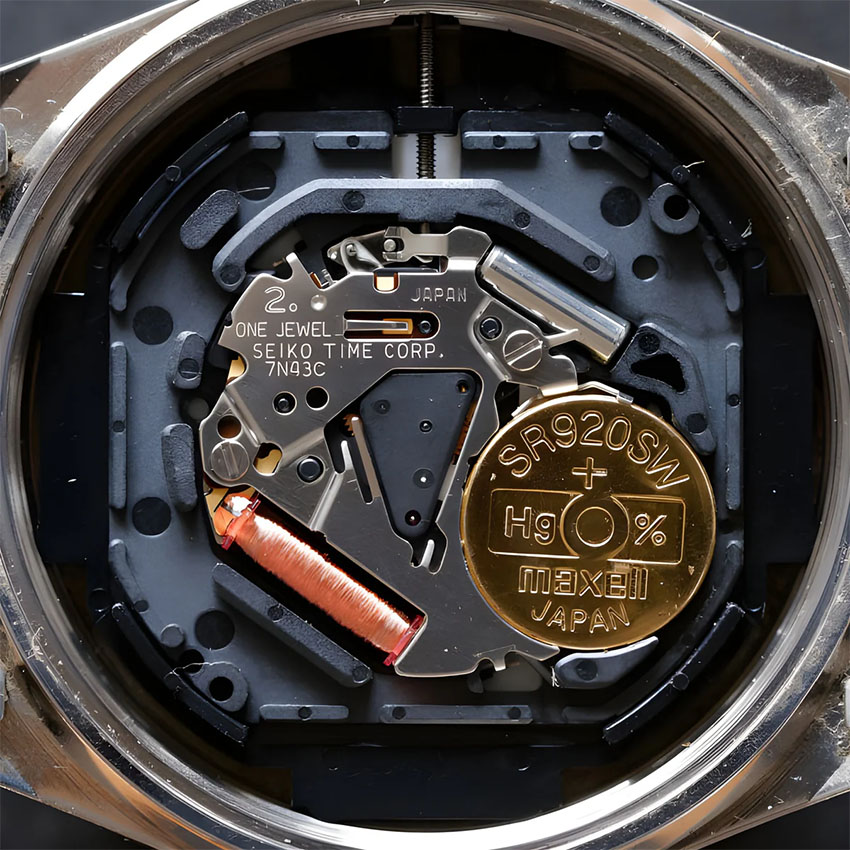
And if you’re debating between a quartz movement vs. automatic, quartz wins on precision and affordability, though many collectors prefer an automatic or mechanical watch for its craftsmanship and “soul” (that satisfyingly smooth sweeping seconds hand). Though, if you need an affordable daily driver that just works, a quartz watch movement is a fantastic choice.
And quartz watches don’t have to be “cheap.” If you’re looking for a well-built quartz timepiece, we recommend one with a Swiss quartz movement for its unmatched accuracy, or a Japanese quartz movement for its excellent quality at a more accessible price.
Chronograph Movement
If you’ve seen a watch with multiple dials and pushers on the side, That’s a chronograph movement — a watch with built-in stopwatch functionality.
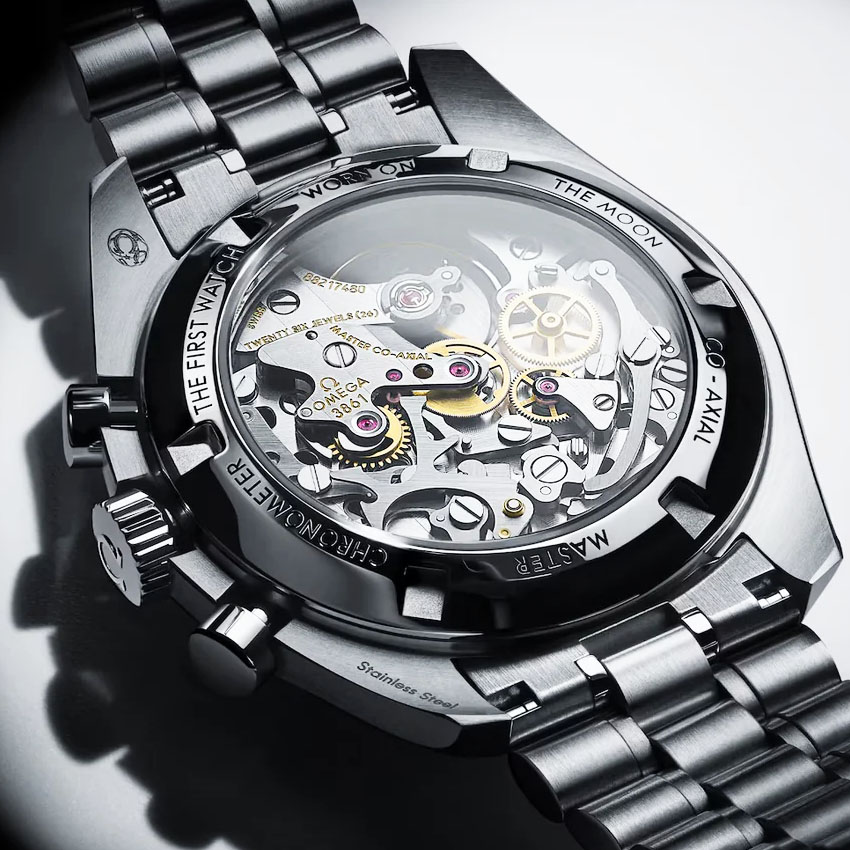
What is a chronograph movement used for? Timing laps, cooking steaks, or just looking cool. Chronographs can be mechanical, automatic, or quartz, and they’re a favorite among racing enthusiasts and watch collectors in general
GMT Movement
A GMT watch movement allows you to track multiple time zones — perfect for frequent travelers or anyone coordinating calls across continents. These watches feature an additional 24-hour hand and bezel, making it easy to know what time it is at home and abroad.
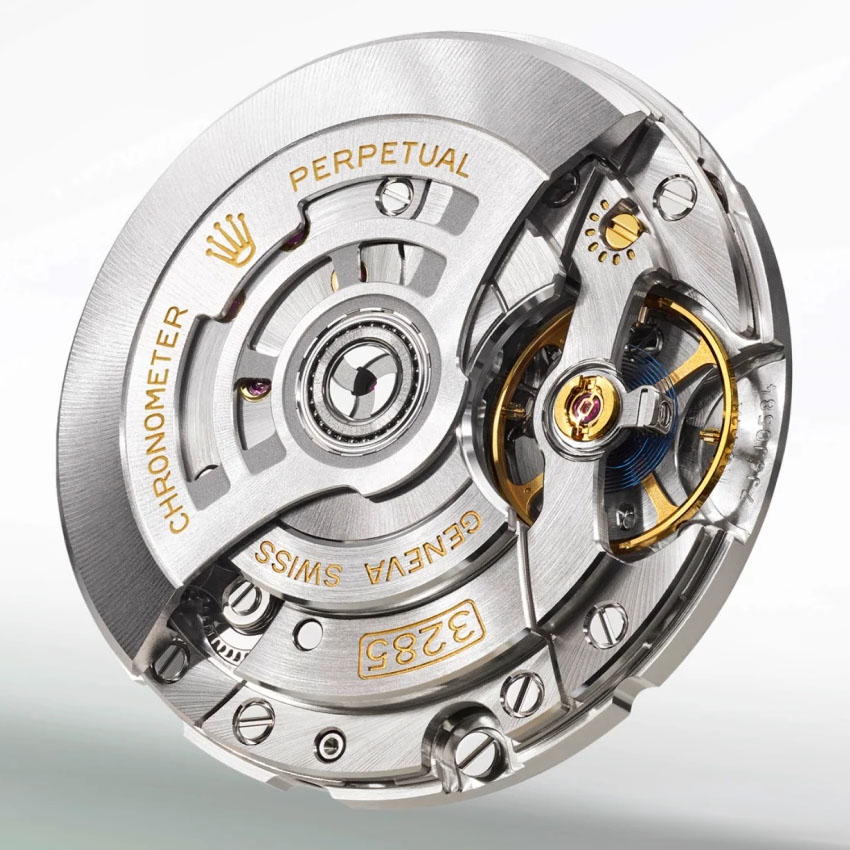
Whether mechanical or quartz, a GMT watch combines functionality and style for globetrotters.
COSC-Certified Chronometer Movement
You might have seen the term chronometer watch or chronometer movement and wondered what it means. A COSC-certified watch is a high-precision timepiece that has passed rigorous testing from the Swiss Official Chronometer Testing Institute (COSC).
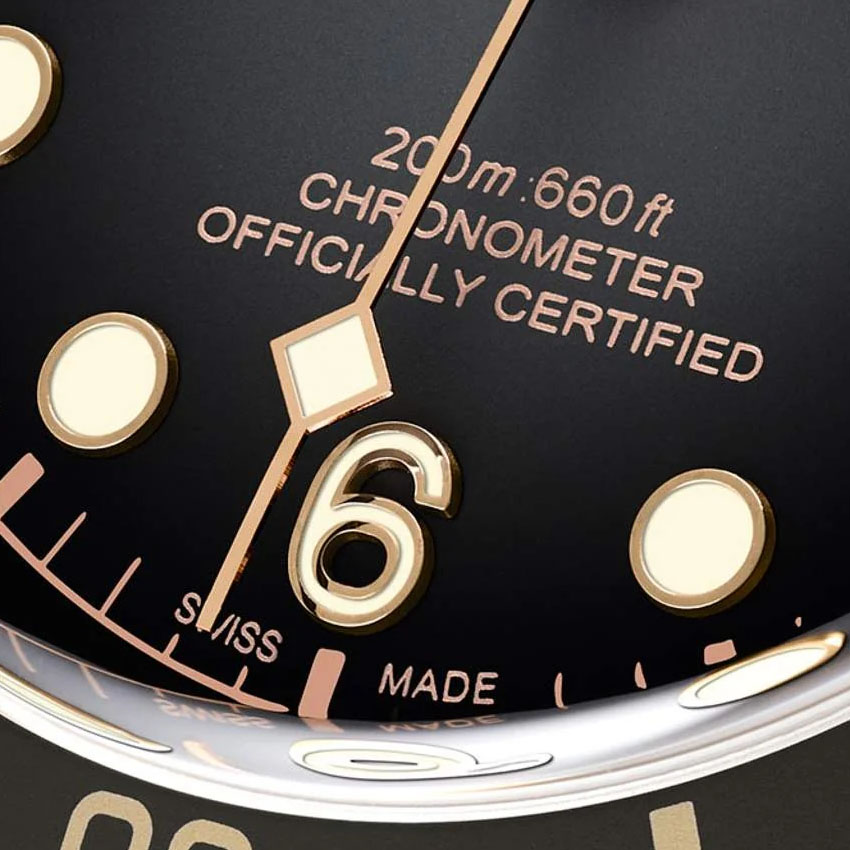
To qualify as a chronometer, a movement must be accurate within -4/+6 seconds per day — an elite club in the world of mechanical horology.
If you’re after the best watch movement in terms of precision — and quartz is not your thing — we recommend going for a COSC-certified chronometer—just be ready to spend at least $1,000.
Spring Drive Movement
Here’s where things get futuristic. Developed by Seiko, the Spring Drive movement combines the beauty of mechanical engineering with the precision of quartz.
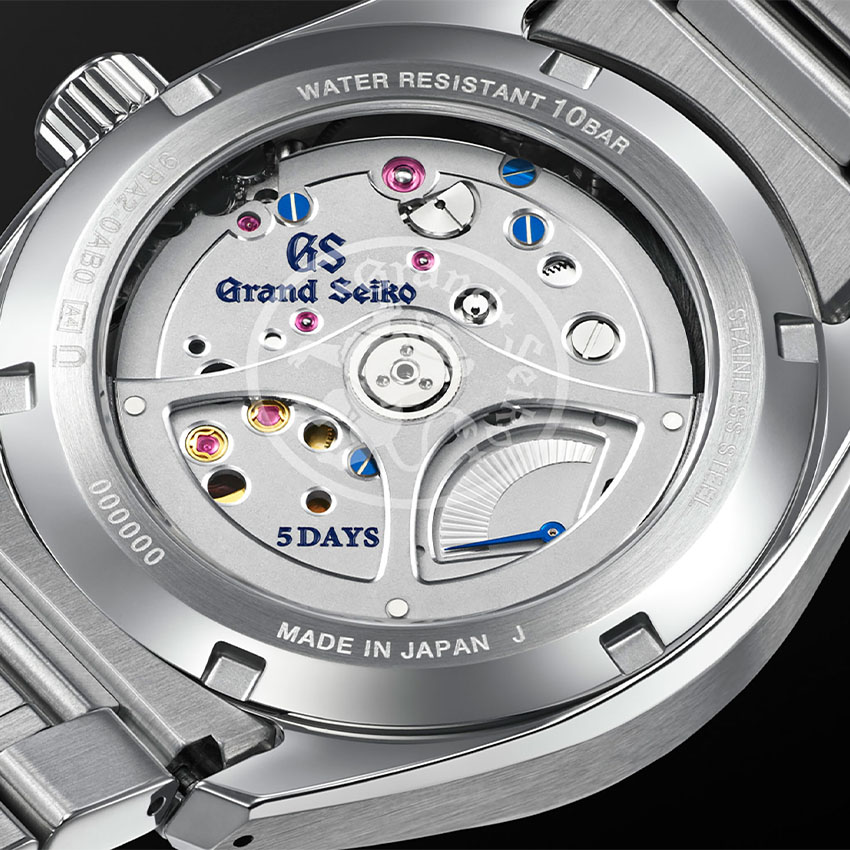
It’s powered by a mainspring (like a mechanical watch), but it uses a quartz crystal to regulate the movement. The result? A seconds hand that glides smoothly with near-perfect accuracy — a standout feature in the world of watchmaking.
If you’re torn between mechanical vs. quartz, the spring drive movement is a hybrid that delivers the best of both worlds.
Tourbillon
Finally, the unicorn of watch movements: the tourbillon. Invented in the 18th century, the tourbillon movement compensates for gravity’s effects on the escapement by placing it in a rotating cage.
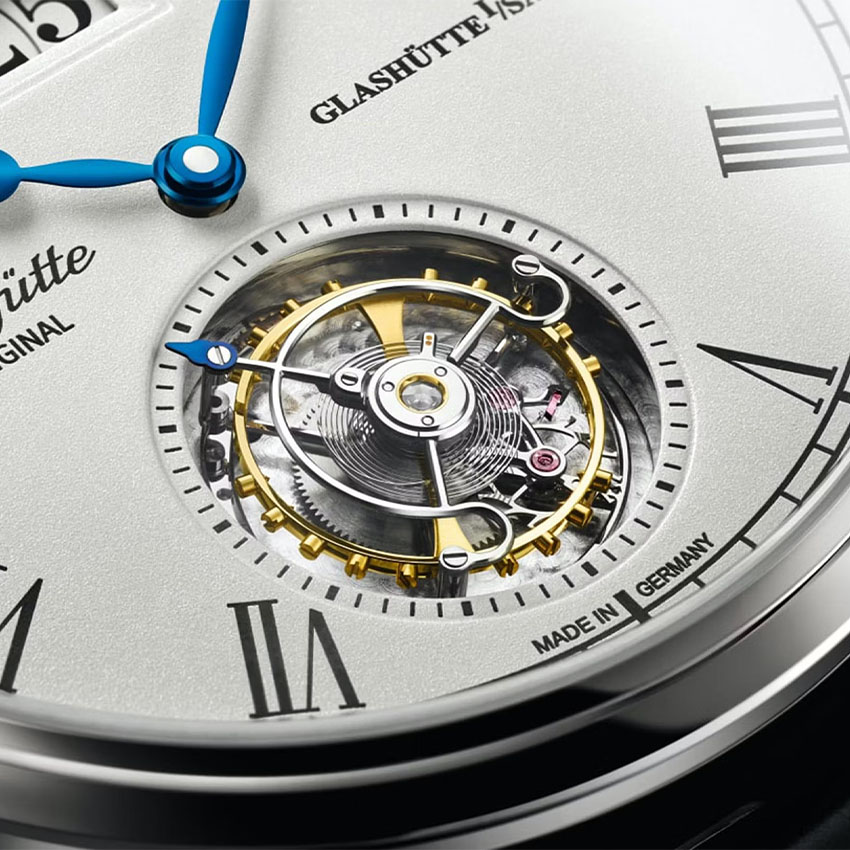
While originally designed to improve accuracy, today’s tourbillon watches are more about technical mastery and aesthetic appeal than practical function. They’re incredibly rare and often found in high-end luxury timepieces.
If you appreciate artistry and aren’t afraid to splurge, a tourbillon is a captivating showcase of mechanical mastery and high horology at its finest
So, what is a watch movement? It’s the heart of your timepiece — and choosing the right one depends on what you value most: tradition, accuracy, functionality, or luxury.
Let us know your favorite watch movement in the comments!




Comments
You should have added info on the cost to maintain each. I stopped wearing my Rolex because it was less accurate than my quartz, but mostly because of the cost to clean it. I was quoted more than $800. That is ridiculous and makes me think less of those who wear them because it is an ostentatious show of caring nothing about the cost.